

Zero-Waste Fashion: The Revolutionary Pattern Cutting Techniques
Zero-waste pattern cutting is changing fashion. Discover how new techniques slash fabric waste, empower designers, and shape a cleaner future.
Ever stood in a fabric store, mesmerized by the rainbow of threads only to cringe at the idea of all that beautiful material ending up as scraps? That feeling isn’t just yours. As more people care about sustainability, the way we cut and construct clothes is finally under the microscope.
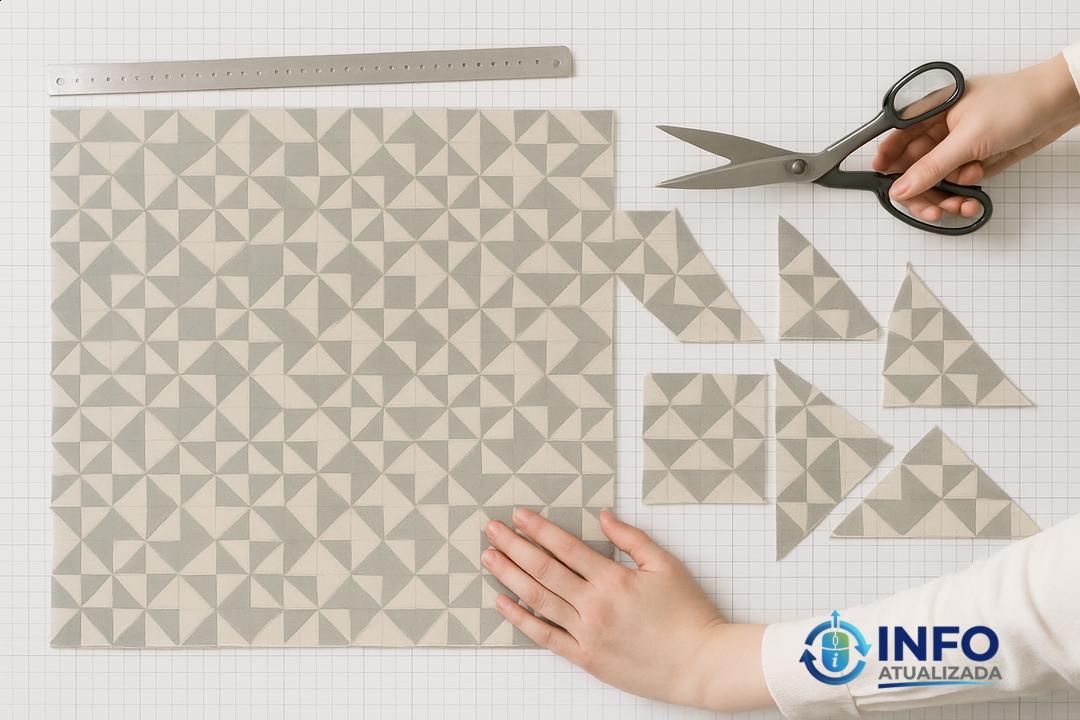
The rise of zero-waste pattern cutting marks a turning point for designers and anyone curious about ethical fashion. Instead of sketching first, designers treat the fabric as the starting point, working out shapes like intricate puzzles. Many experts suggest zero-waste techniques now allow up to 98% fabric efficiency thanks to 3D draping, geometric cutting, and even AI-powered layouts.
But here’s the thing: most content stops at “save fabric, save money” glossing over the actual hurdles, or failing to address how cutting-edge techniques (like subtraction cutting or shared cut lines) can genuinely work for real people and big brands. That’s where frustration sets in for curious readers and sewists alike.
This guide will break it all down going deeper than basics, spotlighting innovative designers, and showing how zero-waste is scaling for industry. Expect practical tips, real challenges, and proof you can change your wardrobe (and the industry) for the better.
Understanding Zero-Waste Design
Zero-waste design changes how clothes are made using every inch of fabric instead of sending scraps to landfill. It’s a rethink of fashion’s beginnings, focusing on what happens even before you cut the cloth. As waste from clothing rises, this approach has become vital for a cleaner industry and planet.
Eliminating fabric scraps at the source
Zero-waste techniques design patterns to use all fabric so nothing is wasted from the start. On average, standard clothing production leaves 15% cutting waste per garment on the factory floor. By shaping patterns within the limits of the fabric itself, designers cut down scraps before they ever appear. One real-world example: In 2023, Circ and Zara used 50% recycled textile waste to create new lyocell garments recycling over 114,000 kg of old material. Still, only 1% of clothes worldwide get recycled into new garments. Want to waste less? Try laying your patterns like a puzzle, fitting each piece edge to edge.
The geometry of modern patterns
Today’s zero-waste patterns are geometric puzzles fitting fabric shapes together perfectly to avoid extra cuts. This isn’t just clever it helps tackle the 92 million tonnes of textile waste created each year. Designers working in closed-loop or circular systems now map patterns to match the fabric’s width exactly. “Zero-waste pattern making prevents fabric scraps by designing within fabric limits,” notes one industry expert. If you’re sewing at home, consider using rectangles and right angles; it makes every piece count, and you’ll have fewer odd bits left over.
Challenges of zero-waste production
This innovation faces tough obstacles especially when scaling up for big brands. Most factories still produce 15% average cutting waste, while global clothing recycling remains under 1%. The EU’s new target 20% recycled apparel by 2030 shows things are changing, though infrastructure gaps remain. Since 2000, fast fashion has doubled clothing output, so waste continues to rise, pushing toward 134 million tonnes a year. The best way to improve? Demand smarter design, and support brands investing in both geometry and true recycling not just buzzwords.
Top Designers Leading the Movement
Zero-waste fashion is being reshaped by a new generation of designers and forward-thinking brands. They’re not just reducing scraps they’re changing what we expect from clothes, from how they’re made to how long they last.
Emerging names in waste-free fashion
Today’s waste-free movement thrives on innovative, mission-driven designers. Tyler McGillivary backs local Indian workshops, favoring natural dyes and making pieces to last, not just impress. Eileen Fisher uses 100% organic cotton and linen for many collections, upcycling her own leftovers through the Renew project. Newcomers like Dwarmis Concepción and Mel Usine are mixing cultural roots with future-facing design. If you’re shopping, look for brands sharing detailed sourcing and production stories transparency is a key sign of waste-free values.
Industrial applications of jigsaw patterns
Some industrial brands quietly use jigsaw-like layouts to boost fabric efficiency. While specifics are often proprietary, Pangaia has led textile optimization with their carbon-negative supply chain, and Bottega Veneta’s recent recycled fiberglass sweater shows “made to last” in practice. Jigsaw patterns make complex shapes fit together leaving almost nothing behind. At home? Try tracing shapes so every bit of fabric has a role. Even a small cut can become a patch, pocket, or trim.
The aesthetic of zero-waste garments
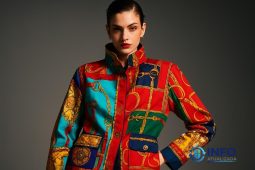
Zero-waste garments bring a look that’s simple but quietly bold. Eileen Fisher’s flowing organic linen and NAADAM’s timeless cashmere show how durable, classic cuts outlast one-season trends. Many collections limit numbers and focus on striking minimal silhouettes, all while using eco-certified materials. A good tip: Choose staple pieces made to wear on repeat look for brands that make you want to keep their clothes for years, not months.
Scaling Zero-Waste for Mass Market
Getting zero-waste fashion to the mainstream means big brands using tech, changing how they make clothes, and more buyers demanding real ethics. It’s not just about patchwork anymore it’s about scale, speed, and smarter choices shaping the future of fashion.
How big brands are reducing landfill waste
Major brands are tackling landfill waste with new materials and smarter processes. Patagonia, ASOS, and Calvin Klein lead by shifting to reusable and recyclable packaging. Many now produce items only after they’re ordered, cutting the overproduction that causes most waste. In 2025, paper and cardboard packaging will still be the most used, but modular fashion designs built from reused parts are helping drive down costs and meet new waste regulations. If you want to support this change, pick brands that share how they minimize waste, layer by layer.
The role of AI in optimizing fabric use
AI tools are changing how brands cut fabric and make clothes fit better. 3D body scans and digital pattern-making now help ensure a perfect fit, which means fewer returns and less wasted fabric on shop floors. Virtual sampling and automated cutting systems boost efficiency, letting mass-market brands keep prices accessible even while reducing their waste. If you’re sewing at home, digital pattern programs can help you use fabric right to the last inch just like the pros.
Consumer demand for ethical production
Buyers now demand ethical, low-waste options and the numbers don’t lie. Sales of sustainable clothes are rising by over $1.5 billion annually and the organic clothing segment is growing at 16.2% a year. The biggest jump? Young shoppers, who actively look for durable styles, low-impact packaging, and open info on how clothes are made. Europe’s fastest on this path, but Asia Pacific leads in packaging innovation. The best step you can take ask, “How was this made?” and seek out transparent brands.
Undefined
In math, “undefined” means there is no value or answer within the current rules. You see it most when you try to divide by zero like 5 divided by 0. That’s not just a hard question; mathematically, it has no solution.
You also run into undefined with square roots of negative numbers, like √-4, or certain points where formulas break think functions where the bottom becomes zero. In geometry, terms like “point” or “line” are left undefined because they’re basic building blocks they set the stage for everything else.
One expert puts it simply: “Undefined means ‘no answer possible’ not that we don’t know it yet.” That’s an important difference from “unknown.” In math proofs and everyday life, knowing when something is undefined helps you avoid mistakes like plugging the wrong values into a formula or a computer code.
Tip: Always double-check for spots in your math homework or code where you might end up dividing by zero, or hitting an undefined operation. That tiny check can save you a lot of confusion.