


The Return of Nature: Plant-Based Dyes Dominating 2026 Collections
Plant-based fabric dyes are taking over 2026 collections. Discover how natural pigments change fashion safer for skin, earth, and your wardrobe.
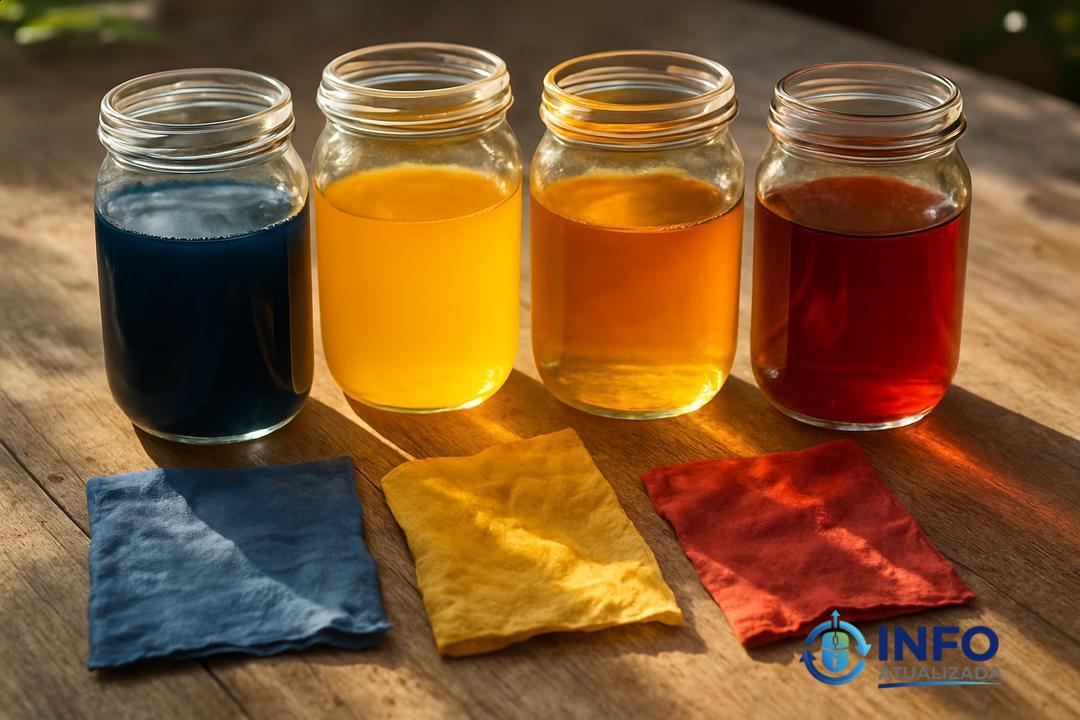
Ever held a shirt to the light and wondered, “What gave this its color?” If you care about what touches your skin, or the planet, this is more than just curiosity. It’s the start of a growing movement toward plant-based fabric dyes.
Fashion insiders and eco-conscious shoppers alike are asking tougher questions about what’s behind those trending hues. Studies and major designers highlight that many plant-derived pigments are gentler on skin and far less toxic than their synthetic rivals. And that shift is sparking new excitement and innovation in the industry.
Most resources gloss over the science, or treat plant dyeing as a DIY hobby, rarely addressing scale, care, or the real environmental impact. Quick-fix blog posts leave out hard truths: not all natural dyes last, and some methods aren’t as green as you think.
This article cuts through the hype. You’ll get a deep, honest look at the science, best practices, and whether these botanical dyes truly measure up to their promise in 2026’s most compelling collections, from underground studios to global runways.
The Science of Natural Pigments
Natural pigments bring color to fabric in a way that’s rooted in plants, minerals, and even food waste. They stand out for being skin-friendly and offering an earthy palette you won’t get with synthetics.
Sourcing dyes from food waste and minerals
Natural dyes often come from parts of plants or minerals that would otherwise go to waste. Think beet juice from food processing, or earthy ochres dug right from the ground. There are more than 100,000 color-producing substances identified in nature, from roots, berries, and even microorganisms.
Beet juice yields soft, muted reds and yellows, but only about 2% pigment concentration compared to up to 90% in synthetics. Still, new methods let companies harness food waste like leftover beets to color everything from T-shirts to tote bags.
The market for these biopigments reached USD 38.2 billion in 2022 and keeps growing, thanks to both tradition and modern biotechnology.
Why natural dyes are safer for skin
Plant-based dyes tend to be gentler and more compatible with skin than synthetic dyes. Experts link natural pigments with antioxidant, anti-inflammatory, and antimicrobial benefits. They’re even showing promise in fighting chronic skin problems.
Pigments like delphinidin, found in some flower and fruit extracts, may help block certain skin issues at a cellular level. These qualities put natural dyes in both fashion and cosmetics think makeup that won’t irritate your face.
If you have sensitive skin or allergies, choosing fabric dyed naturally is a safer bet than fast-fashion basics dyed with harsh chemicals.
The unique color palette of earth-tones
Earth-tones offer a range you just won’t see in chemical dyes rich ochres, rusts, and forest greens that feel grounding and calm. These pigments come from minerals like iron oxide and plant compounds such as carotenoids and anthocyanins.
Because natural dyes have stable palettes in textiles, they wear beautifully over time, shifting a bit as you wash and wear. If you crave subtlety over high-gloss neon, this is where plant dyes shine.
Try incorporating one or two earth-toned pieces into your rotation. The result: clothes that age gracefully and reflect nature’s own color range.
Longevity and Care for Plant-Dyed Fabrics
Care and attention make plant-dyed clothes last think smart washing, good materials, and seeing change as part of their story. It’s about balance: preserve color as long as possible, then let it evolve naturally.
Preventing color fade in natural garments
Most plant dyes can retain over 85% color after 20 washes if done right. That’s a lot better than poorly-treated synthetics, which often keep just 30-40%.
The key? Start with high-quality natural fibers wool and silk bond best with the dyes. Encapsulated pigments boost color fastness even more. Shade-dry your garments and keep them out of harsh sunlight. Fabrics dyed with Indigofera tinctoria, for example, show strong stability and 92% UV resistance outperforming many chemical dyes.
Tip: If something fades fast, check the fabric and pre-treatment, not just the dye itself.
Best washing practices for eco-dyes
Wash at max 30°C with a gentle, pH-neutral soap. Skip harsh detergents and avoid bleach.
Most experts say: “Treat like organic veggies no chemicals.” Dark colors? Wash them separately. Turn clothes inside out before ironing. Over 78% of buyers are wary of fading, but basics like gentle washing and using binding agents help.
The bonus: lifecycle studies say plant dyes cut environmental impact by 25-30%, and they break down safely in nature.
The beauty of evolving patinas
Plant-based dyes fade with elegance, creating one-of-a-kind patinas as they age. Unlike synthetics, which can look dingy as they degrade, natural color shifts are seen as sustainable artistry a feature, not a bug.
Pre-synthetic garments developed unique shades over years of wear. Some plant-dyed fabrics also offer hidden perks, like UPF 60 sun protection and antimicrobial effects. Embrace the subtle changes they’re a sign of a shirt with stories.
Industrial Scale vs Artisanal Dyeing
Industrial and artisanal dyeing are worlds apart, but both are shaping the future of sustainable fashion. Natural dyes bring unique perks and real limitations depending on how you use them.
Can natural dyes replace chemicals
Right now, natural dyes can’t fully replace synthetic dyes at commercial scale. Synthetics still rule for bright, super-stable color and for massive orders. But big companies are investing in plant-based pigment tech, aiming to reduce overall environmental impact by as much as 35-45% in some processes.
Natural dyes tend to fade more quickly and may fall short on intense, lasting brightness. If you want color fastness and sun-resistant shades, synthetics still have the edge. That said, for small brands, capsule drops, or thoughtful design, plant pigments are gaining traction.
The water-saving benefits of plant pigments
Switching to plant-based dyeing can cut water usage by up to 90% with the right methods. Solution dyeing and innovative extraction techniques are leading the way, compared to conventional dyeing’s huge water footprint.
Manual/artisanal dye approaches also use much less wastewater and energy. Using onion skins, indigo leaves, or even coffee waste to make color helps keep things cleaner. If you’re at-home dyeing, start with a bucket and sunshine, not a big industrial wash.
Sustainable luxury and artisanal roots
Artisan dyeing is all about unique, softer, and earthy aesthetics small runs, big personality. Manual dyeing workshops offer flexible color choices and customization you’ll never get from an assembly line.
That special touch comes with a catch: significantly higher production costs and slower turnaround, so it’s mostly for designers or conscious consumers seeking something rare. International partnerships are testing new ways to bridge these creative roots with modern scale, but for now, choosing manual dyeing workshops supports craft, story, and true fashion individuality.
The future of fashion: Are plant-based dyes here to stay?
Plant-based dyes are finding a real foothold in the future of fashion, but mass adoption is still a work in progress. You’ll see them more often in high-end collections and limited drops by designers focused on sustainability. Major reports note that brands and textile labs are investing more resources market forecasts predict the natural dye sector will keep growing by up to 5% each year in the next decade.
The push isn’t just about trends. Growing environmental laws (like the EU’s Green Deal) and customer demand for clean, non-toxic colors are pressuring brands to cut chemical waste. Companies experiment with crop waste and local botanicals for vibrant color think big brands exploring onion skins, walnut shells, and indigo leaves to create signature shades in their sustainable lines. These experiments cut water use and chemical pollution, even if they cost more today.
Still, experts point out that plant-based dyes don’t yet match synthetics for color consistency and broad scalability. But the beauty and biocompatibility of natural colors plus their story and unique aging patinas make them more than just a passing fad. If you care about responsible fashion, seek labels that highlight natural dyes or collaborate with artisans for one-of-a-kind pieces. The bottom line: plant-based dyes are here to stay for those who value sustainability, authenticity, and style that ages well.