


Regenerative Cotton: Beyond Organic Fashion
Regenerative cotton benefits go beyond organic improving soil health, capturing carbon, and creating climate-positive fashion. Learn how in 2026.
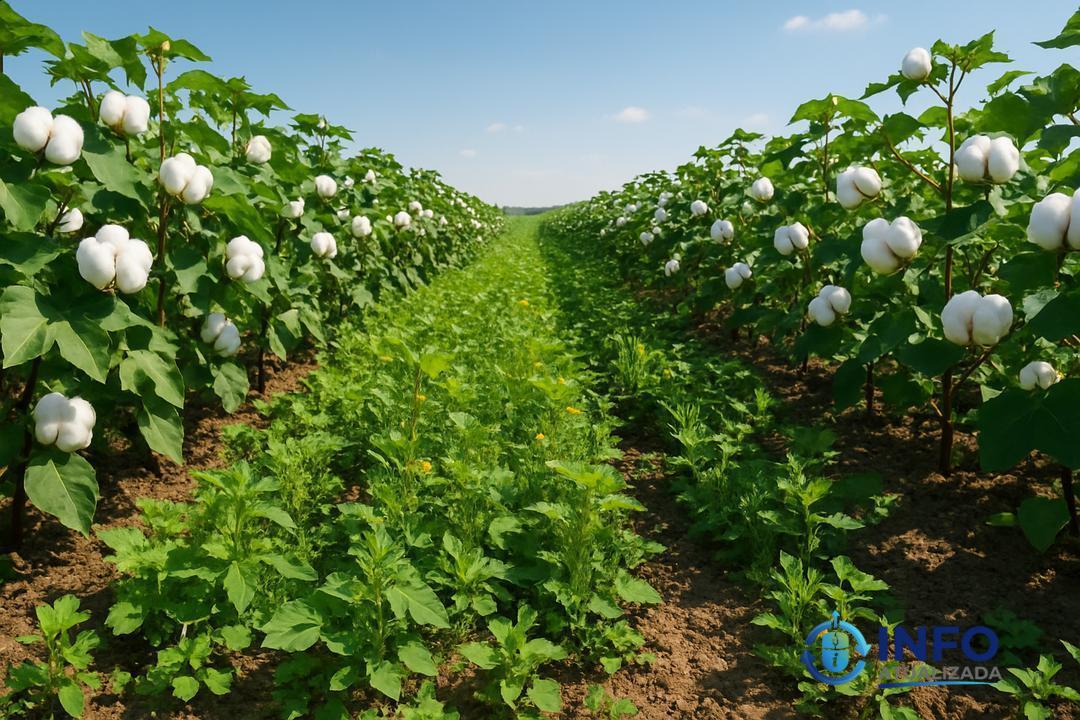
Imagine if every shirt you owned actually gave back to the planet, instead of just taking up space in your closet. Regenerative cotton isn’t just a buzzword it’s a sign fashion is finally learning from nature. If you care about the impact of what you wear, you’ve probably heard promises about “sustainable” or “organic” cotton. But what if fabrics could do more than just avoid harm what if they worked to heal the earth?
The conversation around regenerative cotton benefits is heating up for good reason. Farming practices that improve soil health, boost water retention, and promote biodiversity now lead the way in combating climate challenges. Leading brands in 2026 are backing regenerative cotton not because it’s trendy, but because it’s delivering bigger gains: restored ecosystems, superior fiber quality, and new income for farmers.
Here’s the thing: a lot of so-called “green fashion” stops at less-bad using fewer chemicals or less water. That’s good, but it’s not enough. Most guides miss the leap from “do no harm” to “actively improve.” Regenerative is the first real solution to break the cycle.
This article unpacks what truly sets regenerative cotton apart, how it works in fields and wardrobes, and why top brands are making the switch. You’ll learn how your choices can support soil healing, carbon capture, and thriving communities all without sacrificing style or budget.
What is Regenerative Agriculture
Regenerative agriculture restores soil health and biodiversity while fighting climate change. This holistic approach goes further than organic methods. It combines smart crop choices, supporting soil life, and reducing disturbance to rebuild what’s lost instead of just avoiding harm.
Improving soil health through fashion
Regenerative farming in fashion means boosting soil life by growing cotton in harmony with nature.
Brands like Patagonia and Levi’s now use practices like no-till and cover crops, helping fields gain 20-30% more organic matter. When farmers limit how much they disturb the soil and keep plants’ roots alive year-round, their land holds more water sometimes six times its weight and their crops can even become more nutrient-rich. For example, growers following the Regenified 6-3-4™ standard rotate crops and avoid plowing, which leads to healthier, more resilient soil over time. If you’re choosing cotton clothes, look for brands that talk about cover crops or no-till methods in their supply chain.
How regenerative cotton captures carbon
Regenerative cotton captures carbon by locking it underground through living roots and less soil disturbance.
Studies show this approach can store 0.75-1.5 tons of CO2 per hectare every year. In India, farms that rotate crops and avoid aggressive tillage have captured about 1 ton more carbon per hectare than conventional farms. Supporting clothes made from regenerative cotton can help remove more carbon from the air making your wardrobe a small part of the climate solution. To spot these benefits, check for brands sharing clear, third-party-verified impact stats.
The shift from organic to restorative
The true shift isn’t just using fewer chemicals it’s about rebuilding natural systems.
Organic cotton avoids most harmful inputs, but regenerative actively restores what’s been lost. Since the 2010s, the industry’s best thinkers have pushed for principles (like context, diversity, and keeping the soil covered) over just following set rules. As the Noble Foundation says: it’s “not as much about practices, as… principles to achieve desired outcomes.” Some farms now combine livestock with cotton for even healthier results, like higher omega-3 in pork plus richer soil. If you want your choices to matter, seek out fashion brands that explain how their practices go beyond “organic” to truly heal the land.
Why Brands are Switching to Regenerative
Brands see regenerative as a triple win: superior product quality, real climate impact, and direct support for the people who grow our fibers. This isn’t just about looking good 2026 demands brands do good, too.
The premium quality of restorative fibers
Regenerative farming creates premium quality fibers brands love for their strength and softness.
Farms using cover cropping and reduced tillage report higher fiber resilience and stronger cotton, which means longer-lasting clothes. King Arthur Baking jumped from 19,000 to 300,000 acres of regenerative supply in just three years. Brands like Simple Mills and even large companies like Nestlé now source these “restorative” fibers for their best-selling products. If you want sturdy cotton tees, watch for brands bragging about their soil or farm programs.
Meeting 2026 climate goals
Regenerative agriculture helps brands hit strict 2026 climate goals by cutting emissions and locking up carbon.
Practices like crop rotation and keeping soil covered trap more carbon in the ground and reduce the need for fertilizers. Microbial crops help keep soil healthy while cutting pollution. On the East Coast, brands are leading the way using these practices to show real proof of changing their climate impact. Governments and investors are helping scale things up with incentives, making climate action a business must, not a may.
Supporting local farming communities
Switching to regenerative means supporting local farmers with better pay, training, and long-term stability.
Real-world example: King Arthur’s collaboration helped advise on over 2 million acres to make change stick. Companies like Cargill and Bayer back farms’ transitions, investing up front so the rewards pay off for years. One expert says, “Regeneration is a business framework rooted in stewardship and ethical relationships.” It’s not just charity it’s strengthening the whole supply chain. If you care about your impact, supporting these brands lifts farming families, not just corporate profits.
Consumer Guide to Regenerative Labels
Shopping for regenerative cotton isn’t always straightforward, but a few smart tips can help you buy with confidence. Here’s how to spot authentic labels, understand your power as a buyer, and discover standout brands leading the way.
How to identify restorative cotton
The easiest way to identify restorative cotton is by looking for third-party labels.
Keep an eye out for Regenerative Organic Certified (ROC) this label guarantees soil rebuilding, no synthetic chemicals, and more biodiversity.
Other marks, like Demeter Biodynamic, are rare but signal above-and-beyond practices. Be cautious: not every “regenerative” claim is backed by proof. To avoid greenwashing, check brand transparency do they share farm stories, data, or traceable supply chains?
The impact of your purchase on biodiversity
Your purchase directly impacts biodiversity when you choose certified regenerative cotton.
ROC and similar programs require farms to rotate crops, use cover crops, and avoid heavy chemicals, which help increase local plant and animal life sometimes by over 30% versus conventional. Recent campaigns like “Heal the Earth” tie buying choices to supporting thriving ecosystems and healthier soil. One tip: brands bragging about rotation and wildlife-friendly practices usually walk the talk.
Top regenerative fashion collections
The top regenerative fashion collections feature ROC-certified lines and full supply chain transparency.
Brands such as Frontier Co-op launched ROC textiles, extending a model first used for food to clothing. Look for labels that also mention being plastic-free and glyphosate-free. According to exec Sheryl Marchetti, ROC-certified pieces are “best of the best for sustainability.” Want to buy smarter? Search for capsule collections or special drops from brands highlighting ROC or even Demeter on their hang tags and product pages.