


Turning Tides: How Ocean Plastic is Powering 2026 Streetwear
Ocean plastic fashion trends are reshaping 2026 streetwear with recycled tech-wear, innovative fibers, and real eco-impact. See what’s next.
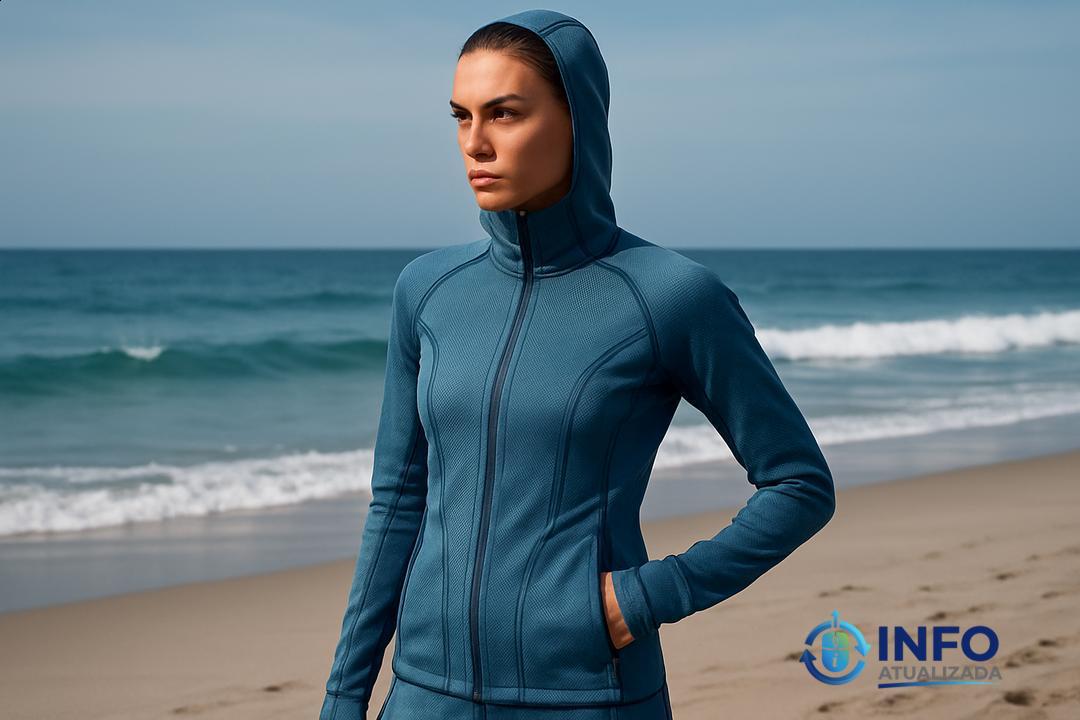
Think streetwear is all about hype logos and fast drops? Imagine walking the city in gear spun from yesterday’s ocean waste where that sneaker sole might’ve been a bottle drifting in the Pacific last year. We’re on the brink of a movement reshaping how ocean plastic translates into real style, not just greenwashed gimmicks.
Right now, ocean plastic pollution is a growing concern among designers, brands, and conscious shoppers. Ocean plastic fashion trends aren’t just another seasonal wave; they address the fact that 35% of primary ocean microplastics come from synthetic fibers, while brands like Adidas-Parley and others are now crafting high-performance shoes and jackets with up to 50% ocean plastic yarn. New tech is popping up, from algae-based spandex to regenerative cotton blends, promising real change.
But here’s the thing: Most advice on this topic is either vague (“Buy recycled!”) or overlooks the challenges like microplastic shedding, supply chain gaps, and what actually makes a garment “sustainable.” Too often, we get trends with no substance, or technical details that leave out everyday style and durability.
This article is your no-nonsense guide to the real future of eco-streetwear. You’ll get a look inside cutting-edge material science, discover which brands are walking the walk (not just talking), and see how ocean plastic is truly powering performance-wear in 2026. If you want honest answers and practical tips for style that genuinely matters, you’re in the right place.
The Process of Recycled Ocean Plastic
The world dumps 14 million tons of plastic into the oceans each year. That’s not just a number it’s raw material for the next wave of streetwear. People and brands are turning ocean plastic into clothes you can actually wear, but the journey from waste to wardrobe is more intense than you might think.
From sea waste to high-performance fiber
Ocean plastic gets a new life as high-performance fibers through a process that starts with collection and sorting. The bulk comes from beach cleanups (38% market in 2025) and ocean intercept efforts. These plastics mostly big pieces called macroplastics are sorted by machines, scrubbed clean, and shredded down. AI now helps boost sorting accuracy. After that, they’re processed and spun into new yarn that brands like Patagonia use, often certified for sustainability. The market for recycled ocean plastic reached $1.75 billion in 2023 and could hit $2.9 billion by 2030. Tip: Look for brands that mention GRS (Global Recycled Standard) certification it means you’re getting the real deal.
The role of NGOs in fashion supply chains
NGOs make traceable fashion fibers possible by collecting huge amounts of ocean plastic for sustainable brands. Groups like 4Ocean and United By Blue organize cleanups and work with companies such as Patagonia or Ocean Plastic Technologies. Their supply chains are often more reliable because they track every step, and many use special eco-certifications as proof. As one industry leader notes, these pioneers rely on “traceability systems and eco-certifications” to bridge the gap between ocean waste and your closet. If you want to help, shop brands that shout out their NGO partners and certifications you’ll support both cleaner oceans and fair jobs.
Durability of recycled polymers
Recycled ocean PET and HDPE can rival normal plastic for clothes, but there are real durability issues. Ocean plastic fibers are often exposed to sun and saltwater, making them less pure. Even with advanced sorting, researchers found a 30% efficiency loss compared to brand-new plastic. Some types, like HDPE, hold up for jackets or sneakers but aren’t good enough for food packaging or heavy-duty items. If you want gear that lasts, check the product description or ask the brand for durability data most honest companies can tell you how well their recycled items perform or point to quality testing. A little research pays off.
Top Footwear and Outerwear Brands
Trash is turning into treasure on your feet and in your closet. The coolest footwear and outerwear brands are making ocean plastic stylish, high-tech, and something you really want to wear.
Best sneakers made from ocean waste
Adidas and Parley lead the sneaker game with over 1 million pairs made since 2016, each pair using 11 plastic bottles and 50% Parley Ocean Plastic yarn. Models like Futurecraft.Loop are fully recyclable, and the Adidas x Allbirds FUTURECRAFT.FOOTPRINT emits just 2.94kg CO2e per pair. Nike’s Space Hippie and Allbirds sneakers use recycled materials too, though less than 5% of the worldwide 1.2 billion sneakers sold each year are recycled. Look for details about Parley Ocean Plastic, recycled polyester, or certified eco-materials on labels and brand websites to make sure you’re buying the real thing.
Waterproof tech-wear from recycled nets
Patagonia and Adidas make durable outerwear from recycled nylon fishing nets and other marine materials. Patagonia uses these for swimwear and jackets, while Bureo in Chile recycles 40,000lbs rope from oceans into boardshorts, mats, and accessories. These fishing nets are spun into waterproof technical fabrics, perfect for city and outdoor wear. Check the tag or brand site for info genuine recycled net products usually feature transparent sourcing stories or certifications.
The aesthetic of recycled marine gear
Modern eco-streetwear doesn’t look like upcycled trash it’s sleek, sporty, and premium. Adidas sneakers use marine debris for laces and heel accents, while Allbirds blends sustainable fibers for simple, sharp designs. Patagonia’s outerwear stands out for its rugged textures, showing off the story behind the material. Sneaker Impact’s Hachem says, “Runners go through a pair every 300 miles… a fashion statement.” To make your own style statement, pick brands that mix next-level sustainability with looks and performance you’d want even if you didn’t care about the planet.
Solving the Microplastic Crisis
Microplastic pollution is a growing problem every time we wash or wear synthetic clothes. While big solutions are still on the horizon, smaller fixes are making a real difference right now.
Filter-bags for washing recycled synthetics
Filter-bags for synthetics can trap loose fibers before they reach the water system. You simply place your clothes in the bag and wash as normal. These bags catch microplastic particles that would otherwise end up in rivers and oceans. Brands like Guppyfriend offer popular options. For best results, wash full loads in cold water and skip the dryer heat makes shedding worse.
The future of biodegradable sea-plastics
Biodegradable sea-plastics are still in the research phase, but scientists and brands are working on new materials that break down faster in the environment. Some eco-startups are experimenting with algae, seaweed, or plant-based polymers for future fabrics. If this technology becomes mainstream, it could change how we think about waste from ocean gear. For now, check if brands talk about compostable or rapidly decomposing textiles in their materials lists.
Innovative weaving techniques
Innovative weaving reduces microplastic shedding by making fabrics tighter and less likely to lose fibers. Some new weaving methods combine recycled fibers with better binding, so clothes last longer and shed less. If you want to cut down on microplastic release, look for tightly woven performance gear and read fabric care labels. It’s a simple step that helps protect both your wardrobe and the ocean.