


Sweat Sustainably: The Rise of 100% Biodegradable Activewear
Biodegradable activewear brands are changing the gym game. Discover smarter eco-fabrics and real performance for guilt-free, sustainable workouts.
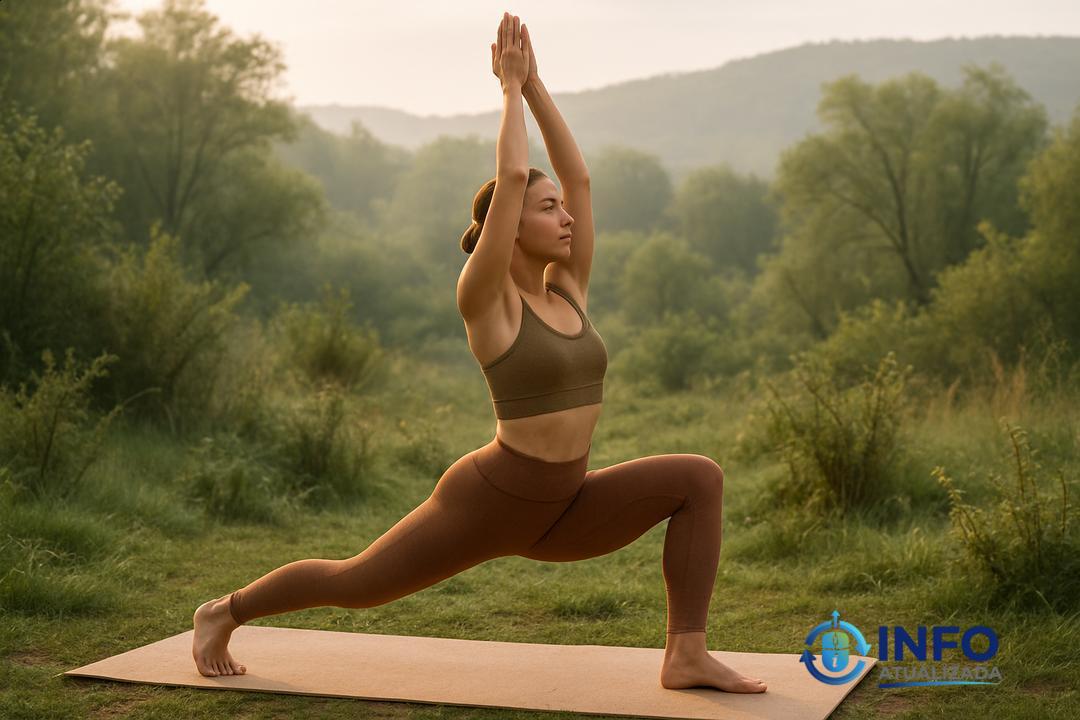
Pull on a pair of leggings, and you’re probably not thinking about what happens to them after a few years. But here’s the thing: those synthetic gym clothes could linger in landfills for centuries, releasing microplastics every time you wash or wear them. It’s the hidden cost of chasing that high-performance fit.
More fitness lovers are waking up to this problem. Biodegradable activewear brands are surging as a direct response to the growing concern about microplastic pollution and toxic chemical exposure from traditional gear. Many experts suggest the activewear industry’s material choices affect both your skin and the planet’s future. This shift isn’t just a trend it’s part of a wider movement toward sustainable fitness, non-toxic gym gear, and eco-friendly leggings.
Most advice out there glosses over the realities like whether these clothes genuinely perform or fully break down after use. Quick “top 10” lists rarely address what really matters: durability, genuine biodegradability, and ethical sourcing, especially for all shapes, sizes, and budgets.
This article is your evidence-based guide to smarter shopping. We’ll break down the real differences between synthetic and bio-based fabrics, test-drive the best (and newest) materials, and help you spot greenwashing before it hits your wallet. Get ready to sweat more sustainably without sacrificing performance or personal style.
The Problem with Synthetic Gym Clothes
Let’s get real most gym clothes are made from synthetic materials like polyester and nylon. These look sporty but come with hidden problems, from polluting our water to leading to unexpected health risks. Here’s how your favorite leggings might be part of a much bigger issue.
Microplastics in traditional activewear
Synthetic workout clothes shed microplastics with every wash and wear. A single load of laundry can release up to 700,000 tiny fibers into the water. Even just wearing your gym gear means you can spread 900 million polyester microfibers each year into the air.
Since clothes account for about 35% of the world’s microplastic pollution, these fibers often end up in our rivers and food even turning up in human blood. Some activewear brands, like Nike and Columbia, have tested positive for BPA, an endocrine disruptor. Professor Miriam Diamond shared, “Chemicals migrate to your skin, and this happens faster with tight, sweaty clothes” making activewear a bigger risk.
Want to cut down on shed fibers? Try using a microfiber-catching washing bag or wash your workout wear less often.
How long polyester takes to decompose
Polyester lasts for hundreds of years in landfills. Unlike natural fibers, it doesn’t biodegrade. Instead, those stretchy leggings just break into smaller plastics and even release toxic chemicals and methane as time passes.
Recycled polyester might sound good but still sheds plastic fibers and can get weaker each time it’s reprocessed. The bottom line? That “fast fashion” gym top may linger for generations.
If you’re shopping, check for brands that use actual biodegradable materials, not just “recycled” synthetics.
The benefits of natural performance fibers
Natural fibers break down and pollute far less than synthetics. Cotton and wool create about one third the CO₂ of polyester and won’t leave behind plastic. Bamboo and hemp are also trending for being renewable and gentle on the Earth.
According to Beth Jensen of Textile Exchange, natural fibers “avoid oil use from the start.” They’re not perfect cotton can be water-thirsty but they avoid microplastic pollution and are part of real solutions.
When buying new activewear, look for certified organic, bamboo, or hemp blends. These are easier on your body and the planet.
Top Materials for Bio-Activewear
Not all eco-friendly workout clothes are created equal. Some materials lead the pack when it comes to high performance and true biodegradability. Here’s what you need to know about the top picks shaping the future of activewear.
Hemp and bamboo blends
Hemp and bamboo blends combine strength, softness, and quick drying. These fibers are naturally antibacterial and let your skin breathe during workouts. Hemp is one of the most durable plant fibers around, while bamboo offers a silky feel and wicks away sweat without chemicals.
Consumers are choosing these fabrics because they’re fully biodegradable and renewable. Many new brands use blends to make yoga pants and tees that don’t pollute when they’re worn out. For example, several “eco-gyms” stock bamboo tees or hemp jersey shorts for members who want both comfort and sustainability.
Organic wool for temperature regulation
Organic wool controls temperature and handles sweat naturally. Unlike synthetic gear, merino wool keeps you warm or cool, depending on need. It’s famous for staying comfy even when wet and resists odors after multiple wears.
This makes it a go-to for runners and hikers who want fewer outfit changes. Many performance leggings now use fine organic wool for this reason. If you run outside year-round, try layering a wool base for comfort and less stink.
Plant-based elastane innovations
Plant-based elastane is a game changer for stretch and sustainability. Instead of using petrochemicals, new brands are experimenting with elastane from corn or castor oil. These options cut reliance on fossil fuels and can break down better at end-of-life, though more studies are still needed.
Some brands highlight yarns like ROICA V550, which is certified biodegradable. If you want true stretch without plastic guilt, look for shorts or tights with these innovative fibers listed on the label.
Performance Testing Bio-Garments
Let’s look at how bio-garments stand up in the real world. Performance matters, so can natural choices keep up when you’re sweating, moving fast, or need gear that stays fresh?
Moisture-wicking properties of natural fibers
Natural fibers wick sweat as well as many synthetics. Many wearers report bamboo, hemp, and especially merino wool pull moisture off your skin and dry fast. This keeps you from feeling soggy after a run or tough class.
For sweaty workouts, try merino tees or bamboo tanks they’re known for moving sweat off your body and staying comfortable, even after a few miles on the treadmill.
Durability during high-intensity training
Bio-wear can be durable in the gym if built right. While natural fibers used to have a bad rep for stretching out or pilling, blends with hemp or strengthened weaves often hold up well even in HIIT, cycling, or daily wear.
Check out brands that offer test results or money-back trials for their leggings and tops. Look for reinforced seams or fabric blends that claim “gym tested” in their product pages.
Odor resistance of organic gear
Many natural fibers fight odor naturally. Merino wool is famous here you can wear it for days with little smell. Bamboo and some treated organic cottons also resist odors.
If you want fewer laundry loads and fresher-smelling gym bags, merino or bamboo basics are a smart start. Just check labels to confirm the fiber content for best results.
The bottom line: Will bio-activewear really change your workout and the planet?
Yes bio-activewear really can improve your workout and make a dent in pollution. Many biodegradable options keep pace with or even beat synthetics in comfort and sweat management. Plus, they break down instead of sitting in landfills for centuries.
The big win is what these clothes avoid: microplastics, toxic chemicals, and fossil fuels. Experts say plant-based fibers use less oil and can lower carbon emissions, even if life-cycle impacts vary by crop and factory. While large-scale impact depends on broader industry change, gear from brands using hemp, organic wool, or innovative elastane is already cutting waste and raising the bar for safer fabrics.
Want to do your part? Even swapping one old-polyester tee for a merino or bamboo version shrinks your laundry’s hidden plastic output. It’s a simple personal choice but it adds up when more people jump on board. Your sweat session stays strong, and you lighten your footprint at the same time.