


From Mine to Maker: The Importance of Traceable Jewelry in 2026
Traceable jewelry brands redefine luxury in 2026. Discover why transparency, ethical sourcing, and tech-driven traceability matter when choosing your next piece.
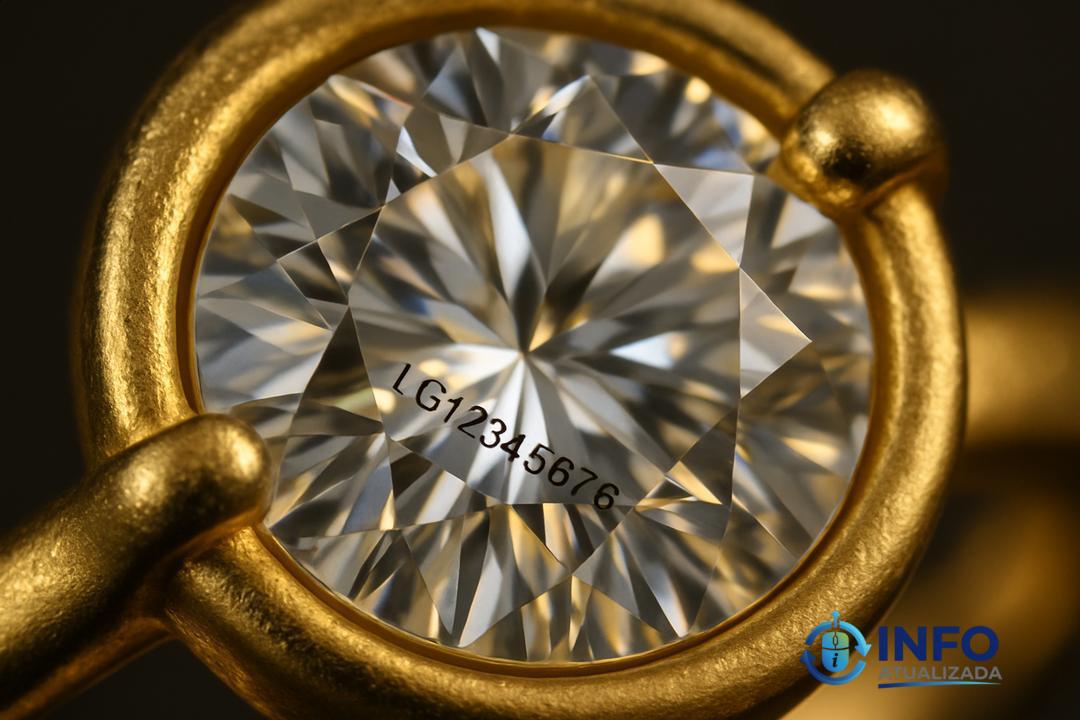
Imagine admiring a stunning diamond ring and, with a tap on your phone, seeing its journey from mine or lab to your hand. That’s not futuristic fantasy anymore. It’s fast becoming the new expectation for anyone shopping luxury jewelry in 2026.
With growing global awareness of unfair labor, environmental damage, and conflict stones, Traceable jewelry brands are gaining traction. Roughly 94% of surveyed consumers want to know the origin of their jewelry, and over 70% now seek traceability as a key value, according to recent studies. Blockchain technology, certification programs, and supply chain transparency aren’t just industry buzz they’re changing what luxury means.
Here’s the thing: Most quick guides or marketing promises tell you “this piece is ethical,” but don’t show the work. A QR code or ethical label can miss the mark if there’s no verified story behind it, leaving you in the dark about what your purchase really supports.
This article goes much deeper. We’ll break down not just how brands are becoming more transparent but also why it matters, which features actually signal traceability, and how you can spot greenwashing. Ready to make smarter choices and find jewelry that aligns with your values? Let’s dig in.
Why Traceability Matters in Luxury
Traceability in luxury jewelry means more than a label. It’s about making sure every part of the chain mining, crafting, and selling follows clear, ethical standards. Let’s look at why this is changing the future of luxury.
The ethics of gemstone mining
Ethical gemstone mining protects people and the planet. Traditional mining can lead to exploitation and massive environmental harm. The chain often breaks: stones pass from hand to hand, making it easy to hide questionable origins.
Major brands like De Beers are now using blockchain for transparency. Their 2018 blockchain pilot tracked every step a diamond took, making fraud and “blood diamond” claims far less likely. Digital passports for platinum, particularly from South Africa, are setting new industry standards for ethical provenance in line with stricter EU demands.
If you want to buy responsibly, always ask for proof of origin. Look for digital reports or QR codes that show where your gemstone was mined.
Ensuring fair wages for artisans
Fair wages depend on a traceable supply chain. Industry research shows jewelry is made in over 36 countries, sometimes with hundreds of people involved. When a brand tracks every link, they can guarantee artisans aren’t exploited along the way.
Sarine’s Diamond Journey™ and platforms like Pulsora now track over 100 million diamonds yearly, confirming ethical practices from rough stone to final design. Boucheron’s digital Diamond Report is a real-life example: it lets buyers see every craftsman involved and proves fair labor standards are met.
Want to support fair pay? Look for digital reports, or ask brands how they verify wages for their makers. A transparent answer means they are doing the work.
The rise of blockchain in jewelry
Blockchain makes luxury jewelry truly traceable. Top brands are embracing this tech as a way to give consumers “provenance you can trust.” Since 2018, brands have used Ethereum addresses and smart certificates to link jewels back to their origins.
This is more than a trend. Experts say it’s the backbone of a market expected to reach $59 billion by 2026. According to Industry 4.0 research, blockchain means the data can’t be faked or lost. Tools like Sarine’s cloud and Pulsora help streamline compliance and meet rising demands from shoppers and lawmakers.
If you want certainty, shop brands with blockchain tracking or digital product passports. It’s your best bet for real transparency, not just marketing promises.
Lab-Grown vs Mined Diamonds
Lab-grown diamonds are changing the jewelry game. By 2026, they offer an ethical, wallet-friendly, and high-quality rival to mined stones. Let’s break down where they shine and what you need to know before you buy.
The environmental impact comparison
Lab-grown diamonds avoid land damage and conflict risks, but use a lot of energy. Some studies say they create up to 511 kg CO₂ per carat, sometimes more than mining, especially if made with coal-powered electricity. Still, they use much less water about 18 gallons per carat versus 126 gallons for mined gems. Mined diamonds improved on regulations, but still disturb land and habitats.
Tip: If eco-impact matters to you, ask brands about their energy sources and look for full traceability.
Price accessibility of ethical gems
Lab-grown diamonds cost 60–90% less than mined. In 2026, a 1-carat high-quality lab gem sells for about $280–$320, while natural diamonds can top $7,000 for the same size. This big difference means more shoppers can afford larger or higher-grade stones. Over 55% of engagement rings now use lab-grown for this reason.
Example: A 2- or 3-carat lab diamond can save you thousands. Just know the resale value is lower, averaging 10–40% if you ever sell.
The quality of 2026 lab-diamonds
Lab-grown diamonds are identical in chemistry and sparkle. Both GIA and IGI grade them on the same “4Cs” as mined stones. Many even have better clarity or color, since labs control every detail. The GIA now describes them as “premium” or “standard” after 2025.
Lab diamonds come in more shapes and sizes, and they truly look the same as earth-mined stones. Always buy with GIA certification so you know exactly what you’re getting.
Sourcing Recycled Precious Metals
Recycled gold and silver shape a more ethical future for jewelry. Choosing these metals means less environmental impact and smarter use of resources. Let’s see how the cycle works and how you can take part.
The circular economy of gold and silver
Recycled gold now supplies 30% of global demand. That’s about 1,370 tons in 2024 up 10.9% from last year. End-of-life recycling has reached an 86% recycling rate for gold. Silver’s recycled share is lower, at 18%, mostly from electronics and jewelry.
Profitable recycling makes sense as prices rise governments may even offer tax breaks for returning scrap. Gold’s durability means it never really “wears out.” When you buy recycled metals, you help close this supply loop.
How to trade in old jewelry for new
Trading old jewelry is good for your wallet and the planet. Jewelry provides 90% of gold recycling supply worldwide. U.S. jewelers alone recycled 200 tons of scrap gold in a single year. Local shops and major refiners both buy used jewelry for cash or store credit.
Tip: Bring unused or broken gold pieces to a trusted dealer many offer redesign services or trade-up programs. It’s an easy way to boost supply ethically.
Refining processes for eco-luxury
Eco-friendly refining uses less energy and keeps quality high. Companies like Atlantic Copper in Spain recover gold and silver from e-waste, meeting up to 20% of global needs. It takes just one ton of circuit boards to get about 10 ounces of gold.
This process creates what experts call industrial symbiosis turning old electronics and jewelry into new luxury pieces without mining. Always ask jewelers about sourcing practices if you want your purchase to make a real difference.
The future of traceable jewelry: A new baseline for luxury
Traceable jewelry is becoming the new standard for luxury. Buyers now expect to know exactly where their gold and gemstones come from. By 2026, top brands use blockchain, digital passports, and full supply-chain transparency as a baseline not a bonus.
A recent Tracemark study shows 94% of consumers want proof of origin before making a purchase, while more than 70% say traceability affects their trust in a brand. Leading brands like De Beers, Cartier, and Tiffany are investing in QR-code tagging, blockchain authentication, and transparent sourcing to stay ahead. As the World Gold Council points out, “transparent supply chains are no longer optional they’re the entry ticket to the global market.”
The EU and other regions are pushing new regulations that require jewelry brands to track precious materials down to the mine or lab. Authentication tools like cloud-based provenance reports are becoming as common as carat grading or design signatures. Buyers are more willing to pay for verified ethics, and some brands report increased sales after adopting traceability tech.
Smart move: Before you buy, ask for a jewelry passport, digital QR code, or access to a blockchain certificate. The brands meeting these standards aren’t just ahead of the curve they’re defining what “luxury” really means in 2026.