


Rent the Future: Why Clothing Rental is Replacing Shopping in 2026
Clothing rental services 2026 let you access luxury fashion, save money, and shop sustainably. Discover why rentals are booming and how to join in.
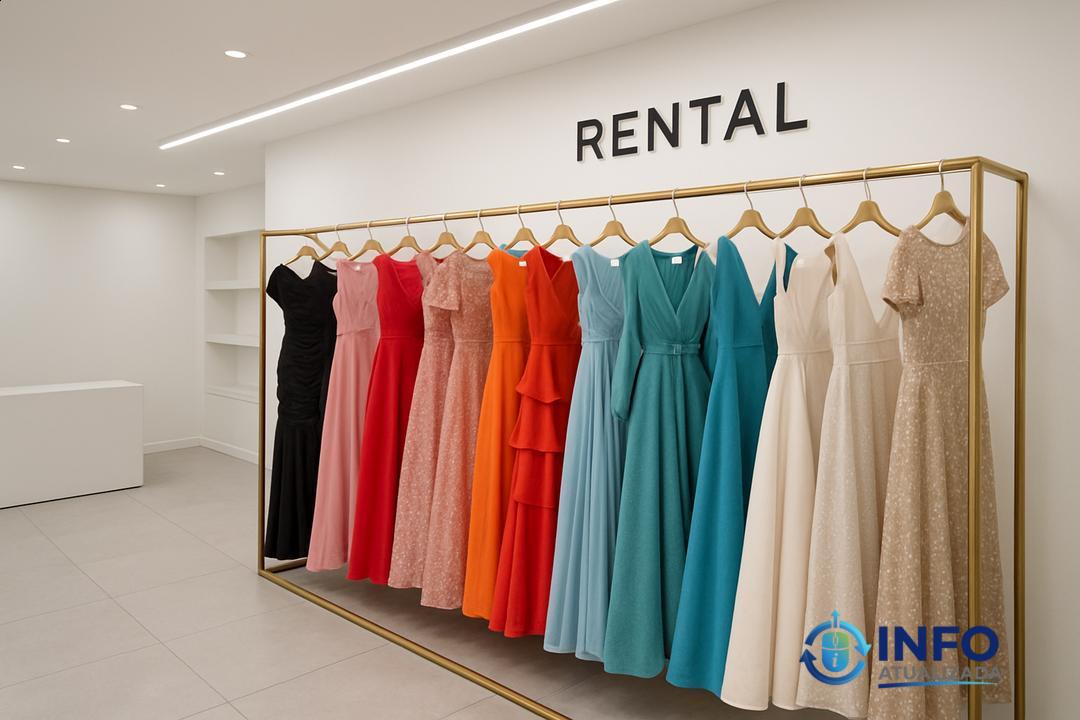
Ever feel like owning more clothes doesn’t actually solve your style dilemmas? You buy something “just for one event,” it sits in your closet, and still the right outfit always seems just out of reach.
Fashion insiders and sustainability advocates are spotlighting Clothing rental services 2026 as a smarter, greener alternative. Recent data shows the rental market is booming (with up to 11% annual growth), driven by younger shoppers who value access and sustainability over owning endless stuff. Gen Alpha and Gen Z want closets that adapt to trends, purpose, and even the planet’s needs.
Most content on this topic stops at simple sign-up guides or lists of popular platforms. That’s not enough. What about hygiene, how much you really save, or the future of digital wardrobe tech? Too many “tips” ignore these real doubts and practical questions.
This guide goes much deeper. You’ll get the trends that actually matter, honest insight on weighing costs versus perks, and actionable ways to step confidently into the world of fashion-sharing. Whether you’re curious about subscriptions, sustainability, or styling rented clothes, you’ll walk away ready for the new rules of getting dressed and saving money doing it.
The Growth of the Rental Economy
The rental economy is booming in 2026. More people are renting, not just homes but fashion too. Young adults and even teens are making renting the smart, practical choice. Economic realities, modern tech, and changing values all play a serious role. Let’s break down what’s changing and how it affects your closet.
Why Gen Alpha prefers access over ownership
Gen Alpha values access over ownership. They’d rather try new looks each week than buy expensive pieces they’ll outgrow. Surveys now show 86% of young people are pausing big purchases like homes due to costs. That mindset carries into fashion. One middle schooler shared, “I want to wear what fits my mood, not just what fits my closet.” If you love variety and new styles, rentals let you change it up without the commitment or clutter.
The environmental impact of shared closets
Shared closets mean reduced wardrobe waste. Renting clothes cuts down on fast fashion buys and lowers your style footprint. While there’s limited hard data, many experts agree shared fashion helps slow the demand for one-and-done outfits. Think about it: That party dress you wear twice? If rented by ten different people, that’s smarter shopping and less trash. A real bonus for eco-conscious shoppers.
Rental for special occasions vs daily wear
Special occasion rentals are growing fast. More people now rent for proms, weddings, or interviews. It’s a great way to save money and closet space, since you don’t need to keep outfits for every single event. Daily wear rentals are also taking off, letting people experiment with fashion without the buyer’s remorse. Practical tip: Plan out your next big event or workweek try renting your entire look and see how much you save!
Top Luxury Rental Platforms
Platforms like Rent the Runway have made luxury fashion open to everyone. Subscriptions, access to real designer pieces, and built-in insurance are now standard. Let’s look at how these systems work, from monthly plans to peer-driven fashion swaps.
Subscription models for designer wardrobes
Subscription models dominate the rental space. You pay a flat fee and score designer brands no strings attached. Rent the Runway lets you rent up to 16 items each month, covers cleaning, and gives swap flexibility. Vivrelle offers luxury bags and jewelry with plans starting at $39/month. UK sites like My Wardrobe HQ charge about £59/month for access to high-end womenswear. Tip: Test a monthly plan first, especially for big events or style experiments. You’ll save money and shake up your routine.
Peer-to-peer rental apps
Peer-to-peer sharing brings luxury for less. Sites such as My Wardrobe HQ in the UK let you rent directly from other fashion lovers, often at 10% of the retail price. Many P2P options give next-day delivery and rated sellers. Rent the Runway also includes peer-sourced items you might decide to buy after you rent. Want a truly unique look? Check out peer-driven apps to score special pieces not found in regular retail.
Virtual fitting for rented garments
Virtual fitting still rare in rentals. Most top platforms haven’t rolled out AR or digital try-ons yet. Instead, they focus on easy swaps, insurance, and curated options. Experts say tech advances may come soon, but for now, choose rentals with flexible exchange policies and detailed sizing info. If fit is a worry, chat with customer support they’ll often help with shape and brand advice before you rent.
Maintaining a Rented Wardrobe
Keeping your rented wardrobe in top shape isn’t just about style it’s about smart habits, simple care routines, and a little help from tech. Here’s how to do it right, save money, and get the most out of every piece you borrow.
Insurance and cleaning protocols
Insurance protects your rentals from life’s surprises. Yet only 49% of U.S. renters have any protection. The right policy, which usually costs $15–$25/month, will cover theft, water, and fire all major risks. Claims for big losses can reach $15,000. But here’s the thing: rental providers often carry basic insurance at $4–$5 a week, which may not fully cover careless use or outright loss. Cleaning matters, too. Most platforms set strict cleaning rules. That minimizes wear, helps spot damage early, and limits expensive insurance claims.
How to style rented pieces with basics
Pair rented with basics to maximize each look. Mix statement rentals with your own jeans and tees. This not only gives you more outfit options, it also reduces your risk. Loss fees from damage can run as high as 20–30% of the item value or $150 a year, so spot-clean and store rentals carefully. Hosting a party? Consider adding liability coverage, often available for wardrobe, if guests may handle your borrowed clothes.
The future of digital rental tags
RFID tags track condition and returns making life easier. These small digital tags can help renters and companies automate returns, confirm cleaning, and keep tabs on garments in real time. Tech like RFID or NFC could prevent mix-ups and loss, possibly saving renters $150/year by limiting extra fees. Down the road, this means fewer disputes about damage or missing pieces and a smoother rental experience for everyone.