


Best Eco-Friendly Activewear 2026: Perform Better, Waste Less
Best eco-friendly activewear for 2026 discover modern brands, recycled fabrics, and practical care tips. Make your workout wardrobe sustainable today.
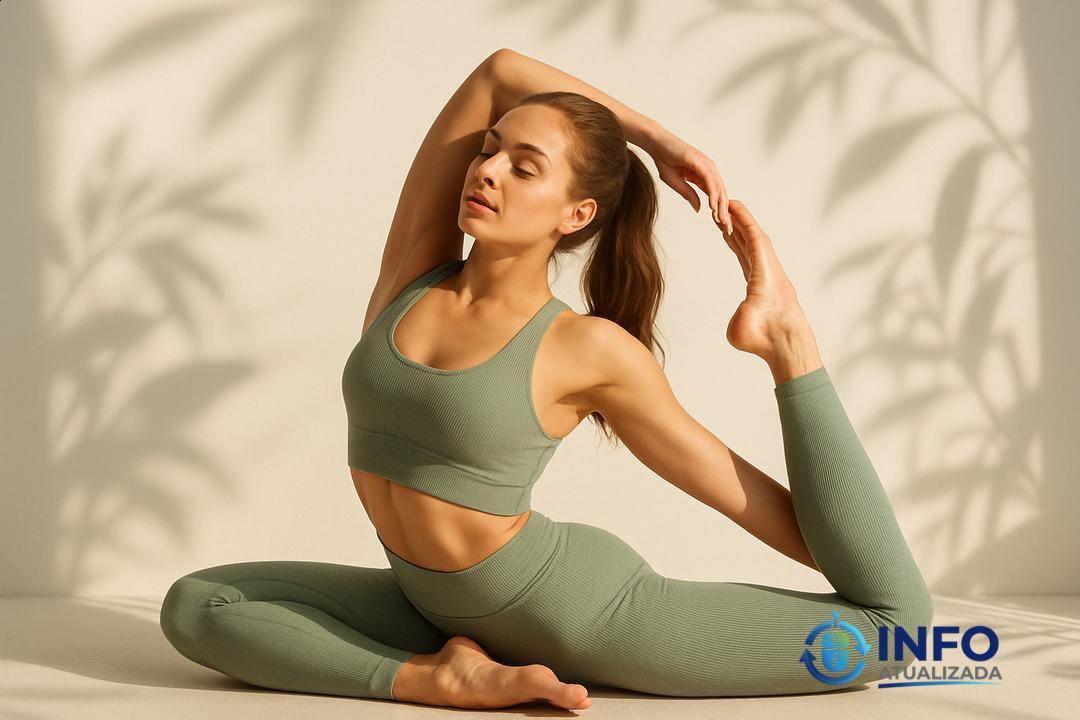
You want activewear that looks great, feels amazing, and doesn’t cost the earth literally. But finding gym clothes that tick all three boxes? That’s where most of us hit a wall. Maybe you’ve spotted “eco-friendly” tags or seen recycled bottles turned into leggings. But which brands and fabrics deliver real results both for your workouts and for the planet?
There’s a growing focus among fitness fans and brands alike on Best eco-friendly activewear. Industry research shows the sustainable activewear market keeps expanding, with more brands pushing plant-based fabrics, recycled materials, and ethical production since 2024. Quality and transparency top the list of consumer concerns nobody wants to pick between great performance or positive impact.
The catch: many guides gloss over the functional details or recycle bland lists. Shoppers are left guessing is this label actually low-impact? Will it last through sweaty spin sessions? Are “biodegradable” leggings hype or help?
This guide changes the game. You’ll get a practical breakdown of the best eco-conscious fabrics and tech, new launches for 2026, and how to care for your gear so it lasts. Expect evidence-based picks, smart tips, and no empty greenwashing just what you need for a sustainable active lifestyle.
Top Brands Using Recycled Ocean Plastics
Top brands are making recycled ocean plastics into premium athletic gear. This means you no longer have to pick between eco-friendly and high performance many industry leaders prove you can get both. Here’s how top activewear brands are raising the bar with ocean plastic innovation.
High-performance leggings from nets
Leggings from nets offer real workout performance with less waste. Bureo and Ocean Mimic use ECONYL® yarn, spun from rescued fishing nets, to make leggings that tackle ocean pollution and support serious training. Bureo’s Net Positiva program in Chile collects used nets before they can harm marine life, turning them into flexible, tough fabric for leggings and sportswear.
Adidas and Parley have taken similar steps, blending net plastics with other recycled materials for running tights that hold up to years of use. Want to spot eco-legwear at a glance? Look for labels like ECONYL® or info about “nets to leggings” on brand sites. It’s a practical way to improve your impact, one pair at a time.
Breathability of recycled polyester
Breathability of recycled polyester matches traditional activewear fabrics. Brands like Nike and Patagonia now use Repreve fibers produced from ocean-bound bottles and other plastic to deliver sweat-wicking workout gear that’s every bit as cool and comfy as the old stuff.
Current research says 36.8% of all recycled polyester comes from ocean plastics, driving the market forward. Ecoalf is another standout for crafting breezy, lightweight gym tops and leggings from ocean trash. For best results, choose items with “rPET” or “Repreve” tags if you want both performance and peace of mind.
Support and compression levels
High compression/support from recycled blends holds up in tough workouts. Patagonia and Adidas both offer leggings made with rPET (recycled polyester), giving you the same firm, supportive hold as top-tier virgin fiber tights. Testing and customer reviews show zero drop-off in elasticity or fit.
Whether you crave tight support for HIIT or gentle stretch for yoga, new blends from brands like G-Star RAW collaborating with Parley prove you don’t have to give up performance to go green. Always check product tags for info on support and compression. Durable, recycled leggings should feel just as strong as any in your gym bag minus the waste.
The Rise of Plant-Based Performance Fabrics
Plant-based fabrics are reshaping workout clothes. Today, brands craft high-tech gym gear from bamboo, eucalyptus, and smart bio-fibers that bring real performance without the plastic waste. Here’s what’s driving the boom in natural alternatives.
Bamboo and eucalyptus gym gear
Bamboo and eucalyptus gym gear is naturally moisture-wicking and breathable. Labels like Boody and styles made from TENCEL™ lyocell are stealing the show, especially in Asia-Pacific where most sustainable fiber production happens. These plant-based fabrics keep you dry and cool mid-workout, with brands reporting a 24% global uptick in sustainable fiber launches.
If you want to try it, shop for gym tops or leggings marked “bamboo,” “TENCEL™,” or similar. You’ll notice the difference on a steamy run or yoga class.
Natural antimicrobial properties
Antimicrobial properties come naturally with bamboo and eucalyptus fibers. Instead of adding chemicals, these fibers help fight odor-causing bacteria and keep gym clothes fresher. Research shows that demand for health-forward, odor-fighting fabrics is pushing organic bio-fibers into everything from running shorts to yoga gear.
Look for gear labeled “naturally anti-odor” it often means less laundry and more comfort between washes.
The soft-touch feel of bio-fibers
Soft-touch feel is a major win for plant-based activewear. Bamboo and modal gear is usually smoother on skin than many synthetics. By 2035, experts predict bio-fibers could claim 67.8% of clothing’s comfort market as people demand soft, flexible, eco-friendly fabrics.
If comfort tops your list, explore leggings or tees with a plant-fiber blend the difference is feeling it from your first wear.
Seamless Technology and Waste Reduction
Seamless technology is changing the way sportswear is made. These pieces are created with advanced knitting machines that use a single tube of yarn. That means less waste and more comfort for your workouts.
Why seamless design is more sustainable
Seamless design reduces waste by as much as 28% compared to traditional methods. Since there are no off-cuts, manufacturers save fabric and energy. About 27% of US textile makers used seamless tech in 2023, and brands like Nike and Adidas now use recycled yarn in their seamless lines.
One cool example: Nike launched AI-based seamless activewear in 2025, adapting to your body temperature while cutting down production waste. If you’re looking to lower your own footprint, seek out seamless tags or new “recycled fiber” lines from trusted brands.
Improving range of motion
Seamless activewear lets you move freely in any direction. By skipping bulky seams, these pieces offer multi-directional stretch and fewer spots that rub or irritate. In 2024, 48% of active folks picked seamless for better comfort and flexibility at the gym.
Compression zones can also support your muscles without pinching. Always try some stretches in the fitting room true seamless gear should flex and move with you.
Durability of 3D-knit activewear
Seamless 3D-knit activewear is built to last with 15% higher durability. Big brands use polyester-based systems to boost both elasticity and moisture management, so your gear keeps up with you longer.
By 2023, 38% of all US activewear included seamless construction for extra life. If you’re tired of leggings that lose shape, this tech is worth a try for both eco and long-wear perks.
Caring for Your Gym Gear Sustainably
How you care for your workout clothes matters. It can help your favorite leggings last longer and makes a real difference for the planet, too.
Microplastic filters for washing
Microplastic filters for washing catch shed fibers before they pollute waterways. When you wash synthetics like gym tights, tiny bits of plastic break off. Wash bags or laundry filters can trap much of this, sending fewer microplastics down the drain.
Want to cut your own impact? Use a filter bag or install a washing machine filter. Both are effective ways to wash smarter.
Avoiding fabric softeners
Skip fabric softeners they coat activewear and ruin sweat-wicking properties. Softeners may feel nice at first but block fabric’s breathability and can lock in odor. Many sports brands recommend skipping softener completely to preserve fit and feel.
The fix: just use mild detergent. Your performance gear will stay fresher, stretch better, and last longer.
Air-drying for fiber longevity
Air-drying for fiber longevity is a game changer. Harsh dryer heat can break down gym fabrics, making them lose shape and shed even more fibers. Hanging your gear to dry keeps it working and looking great for longer.
Try a simple air-dry routine after each wash. Less energy, less shedding, and your gear lasts longer easy win all around.
Conclusion
The direct answer is that our eco-friendly activewear journey doesn’t have a single finish line. Trends and materials will keep evolving, with more brands and science-backed options hitting the market every year. As you shop, focus on proven practices: choose recycled or plant-based fabrics, check brand transparency, and care for your gear so it lasts.
Sustainable progress happens in steps. While numbers show interest and innovations are rising, there’s no magic one-and-done solution for waste. Experts and organizations agree stay curious and question claims that sound too good to be true. If you want lasting results, blend thoughtful buying with regular gentle care routines (like microplastic filters and air-drying).
Every small change counts. The future of ethical activewear is shaped by millions of tiny choices, from skipping fabric softeners to demanding more from your brands. Keep an eye on labels and news new tech and standards are always around the corner.