


Camping in the Rain: How to Stay Dry, Comfortable, and Actually Enjoy It
Smart strategies that turn a rainy camping trip into an unforgettable outdoor experience
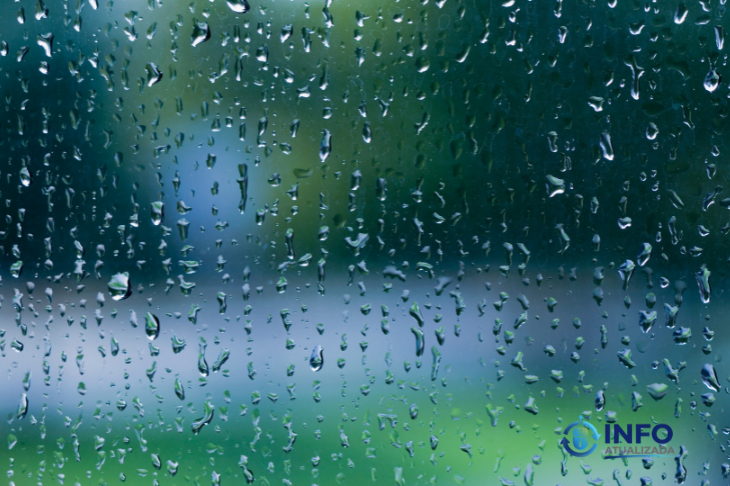
Ask experienced campers about their favorite trips, and many will mention one thing that surprises beginners: rain.
A rainy campsite often means fewer crowds, quieter surroundings, cooler temperatures, and a stronger connection with nature.
The sound of raindrops on a tent can be incredibly relaxing, and misty forests create landscapes that look straight out of a movie.
But there is a catch.
Camping in the rain only feels magical when you’re prepared.
Without the right setup, even a small shower can leave you cold, wet, frustrated, and ready to drive home early.
This guide will show you exactly how to stay comfortable, dry, and safe during wet-weather camping adventures.
Why camping in the rain isn’t as bad as people think
Most camping disasters happen because people prepare for sunshine and hope the forecast stays accurate.
The best campers prepare for changing conditions.
Rain itself is rarely the problem. Poor gear, bad campsite selection, and lack of planning are usually what cause discomfort.
A properly waterproof tent can remain completely dry even during several hours of steady rainfall.
The most important decision: choosing the campsite
Before your tent ever leaves its bag, your campsite determines whether you’ll stay dry or spend the night fighting puddles.
Avoid low ground
Water naturally flows downhill.
A campsite that looks flat during dry weather can quickly become a shallow pool after several hours of rain.
Look for natural drainage
Choose slightly elevated areas where water can flow away from your tent.
Watch for overhead hazards
Heavy rain often brings wind.
Avoid camping beneath dead branches or unstable trees.
Essential gear for camping in the rain
Some equipment becomes significantly more important when rain enters the forecast.
| Gear | Why It Matters |
|---|---|
| Waterproof Tent | Primary protection from rain |
| Rainfly | Prevents water penetration |
| Tarp | Creates dry outdoor space |
| Dry Bags | Protect electronics and clothing |
| Rain Jacket | Keeps body temperature stable |
| Extra Socks | One of the biggest comfort upgrades |
The clothing mistake that ruins most rainy camping trips
Cotton.
If there’s one thing experienced outdoor enthusiasts avoid during wet conditions, it’s cotton clothing.
Once wet, cotton loses insulating properties and takes a long time to dry.
Instead, use a layering system.
Best Rainy Camping Clothing System
- Moisture-wicking base layer
- Insulating mid layer
- Waterproof outer shell
- Wool or synthetic socks
This combination keeps warmth close to your body while allowing moisture to escape.
How to keep your tent dry inside
Many beginners assume tent leaks come from rain falling through the fabric.
In reality, condensation is often the bigger problem.
When warm air from breathing meets cold tent walls, water forms inside.
Open ventilation points
Even during rain, proper airflow helps reduce moisture buildup.
Keep wet gear outside
Boots, rain jackets, and soaked backpacks should stay under a tarp whenever possible.
Use a footprint correctly
The groundsheet should never extend beyond the tent floor.
If it sticks out, rainwater can collect underneath the tent.
Cooking during rainy weather
One of the most enjoyable parts of camping is cooking outdoors.
Rain doesn’t have to stop that.
The secret is creating a protected cooking zone.
Never cook inside a closed tent. Besides fire hazards, dangerous gases can build up quickly.
A tarp shelter allows safe food preparation while keeping equipment dry.
Food that works best when camping in the rain
Cold weather and wet conditions increase the appeal of warm meals.
Some excellent options include:
- Instant soups
- Hot oatmeal
- Pasta dishes
- Freeze-dried camping meals
- Hot chocolate
- Coffee
- Tea
Simple meals become surprisingly comforting after several hours of rainfall.
Rain safety tips every camper should know
Monitor weather forecasts
Light rain and thunderstorms are very different situations.
Watch nearby rivers and streams
Heavy rainfall can raise water levels quickly.
Prepare for colder temperatures
Rain often causes temperatures to drop unexpectedly.
Keep emergency lighting available
Dark clouds can make campsites surprisingly dim even during daytime.
Common camping in the rain mistakes
Avoid These Mistakes:
- Setting up in low ground
- Ignoring weather forecasts
- Using cotton clothing
- Leaving gear exposed
- Cooking inside the tent
- Skipping extra dry clothes
- Forgetting waterproof storage
Why some campers actually prefer rain
It sounds strange until you experience it.
Rain changes the atmosphere completely.
Campgrounds become quieter.
Wildlife activity often increases.
The air feels fresher.
And few outdoor sounds are more relaxing than rain tapping gently on a tent roof while you’re warm inside a sleeping bag.
Many experienced campers eventually stop checking whether rain is coming and start preparing for it instead.
Final thoughts on camping in the rain
Camping in the rain doesn’t have to mean discomfort or disappointment.
With proper planning, quality waterproof gear, smart campsite selection, and a few practical techniques, rainy weather can become part of the adventure rather than an obstacle.
The next time dark clouds appear in the forecast, don’t automatically cancel your trip.
Pack wisely, prepare thoroughly, and you may discover that some of the most memorable outdoor experiences happen when the skies open up.