

Ballet Flats Are Back, But Which Outfits Actually Make Them Work?
The right proportions can turn ballet flats from overly sweet to effortless, polished, and surprisingly modern
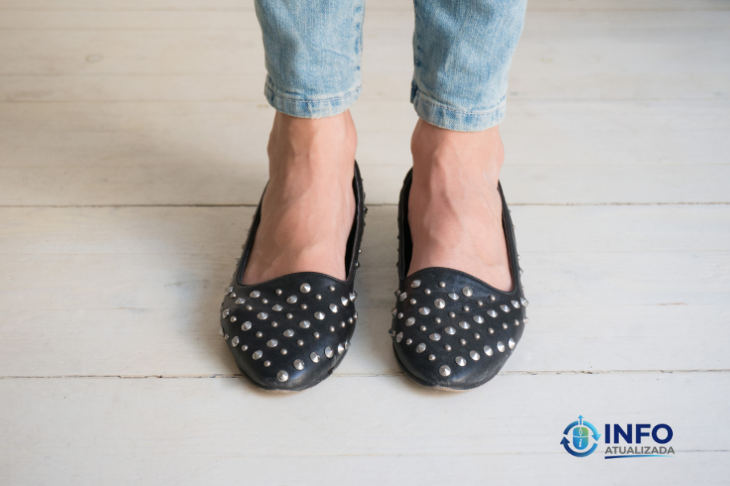
Ballet flats look simple until you actually try to build an outfit around them. They have almost no visual weight, sit close to the foot, and can completely change the proportions of jeans, trousers, skirts, and dresses.
That is also what makes them interesting. Unlike a chunky sneaker or tall boot, a ballet flat rarely dominates an outfit.
Instead, it exposes the proportions of everything else you are wearing.
When those proportions work, the shoe looks intentional. When they do not, the entire outfit can suddenly feel dated, overly delicate, or unfinished.
The answer is not to wear ballet flats only with traditionally feminine clothes. In fact, some of the strongest combinations come from contrast.
Start with straight-leg jeans, not a complicated outfit
If you have not worn ballet flats in years, straight-leg denim is probably the easiest place to start.
The combination works because neither piece fights for attention.
Straight jeans create a clean vertical line while the low-profile shoe keeps the bottom of the outfit light.
The most important detail is where the jeans end. A hem that completely collapses over the shoe can hide the shape of the flat and make the outfit look heavier than intended.
A length that allows at least part of the shoe to remain visible usually creates a cleaner balance.
On top, almost anything simple can work.
A fitted T-shirt, button-down shirt, knit sweater, or relaxed blazer creates enough structure without making the outfit feel overly styled.
This is also a useful formula if your ballet flats have a noticeable detail, such as a square toe, strap, metallic finish, or contrasting color. Simple denim gives the shoe room to be seen.
Wide-leg trousers need a little more attention
Wide-leg trousers and ballet flats can look excellent together, but proportion matters more here.
The mistake is usually not the width of the pants. It is excessive length.
If the trousers completely cover a very flat shoe, the lower half of the outfit may look visually heavy. You lose the small amount of definition the shoe provides.
A cleaner approach is to let the trouser hem skim the top of the foot without dragging.
Another option is a slightly cropped wide-leg trouser that exposes the shoe completely.
The second version creates a particularly strong contrast. The trousers bring volume, while the flats stay slim and minimal.
For work or a more polished setting, pair that shape with a tucked blouse, fine knit, structured jacket, or clean button-down.
You do not need heels to make tailored trousers look intentional.
Ballet flats can make relaxed jeans look more finished
Loose denim does not automatically require sneakers.
One reason ballet flats feel useful again is that they can change the tone of casual pieces without making them formal.
Baggy jeans, a plain tank, and a pair of flats can look noticeably more considered than the same outfit with an athletic shoe.
The contrast is what makes the combination work.
The jeans are relaxed and slightly oversized. The shoe is compact and traditionally refined. Neither piece needs to match the personality of the other.
If the jeans are very wide, showing a little ankle or choosing a pair that does not pool heavily around the foot can help preserve that contrast.
A midi skirt works best when the rest of the outfit stays uncomplicated
Pairing ballet flats with a midi skirt can easily move into very romantic territory. That may be exactly what you want, but it is not the only option.
If you want the outfit to feel more modern, simplify everything around the skirt.
A plain crewneck T-shirt, fitted knit, crisp shirt, or understated tank can keep the combination from becoming too precious.
A denim jacket or simple leather jacket can add another layer of contrast.
The skirt itself does not need to be full or flowing. Straight midi skirts, bias-cut shapes, denim skirts, and simple A-line silhouettes can all work.
What matters most is avoiding too many delicate elements at once unless that is the specific look you are trying to create.
Short skirts change the proportions completely
A short skirt with ballet flats creates a very different effect from a midi skirt.
Because the shoe does not visually extend the leg in the way a heel can, the outfit relies more heavily on the skirt length, sock choice, and shape of the top.
A mini skirt with a simple sweater or oversized blazer can create a strong balance.
The short hem keeps the silhouette open while the structured upper layer prevents the outfit from feeling overly youthful.
Socks can also become part of the styling rather than something to hide.
A visible ankle sock with a flat creates a deliberate preppy effect, while going without visible socks keeps the look cleaner.
Both approaches can work. The important part is making the choice look intentional.
Long dresses do not always need sandals
Ballet flats can be especially useful when a long dress feels too casual with sneakers but too predictable with sandals.
The flat keeps the comfort and ease of a low shoe while adding a slightly sharper finish.
For a loose maxi dress, a simple flat can help anchor the volume without competing with it.
With a more fitted dress, the same shoe can make the outfit feel less formal.
Color also matters here. A black flat adds definition, while tan, cream, soft brown, or a shade close to your skin tone creates a quieter transition from dress to shoe.
If the dress already has a lot of print or detail, the simplest ballet flat is often the easiest choice.
Capri pants and ballet flats create a very specific silhouette
This pairing is more directional because both pieces have a strong visual identity.
Capri pants expose the lower leg and place significant attention on the shoe.
That means the ballet flat becomes more important than it would under full-length trousers.
A sleek, minimal pair tends to keep the combination clean.
A pointed or square toe can make the overall silhouette feel sharper, while a rounded toe creates a softer effect.
Since the pants already create a cropped line, the top usually benefits from simplicity.
A fitted tee, cardigan, shirt, or minimal tank lets the proportions do most of the work.
The shoe color can change the entire outfit
Black is easy, but it is not automatically the best ballet flat for every wardrobe.
Brown can feel softer with denim, cream trousers, beige, olive, and other earthy colors. Burgundy can act almost like a neutral while adding more depth.
Metallic flats can make basic denim and a white shirt feel completely different without introducing another complicated garment.
Red works when you want the shoe to become the focal point. Cream and pale neutrals are useful when you want the footwear to visually disappear into the outfit.
If you are buying your first pair, look at the colors you already wear instead of choosing based only on what looks interesting on the shelf.
The toe shape matters more than it seems
Not all ballet flats create the same impression.
A classic rounded toe feels softer and more traditional. A square toe adds definition and can work especially well with tailored pieces.
A slightly pointed toe visually lengthens the foot and may feel more polished with trousers or dresses.
High-vamp styles cover more of the foot and often feel more substantial, while very low-cut flats have a lighter and more delicate appearance.
There is no universally better version. The useful question is what role you want the shoe to play in your wardrobe.
If most of your clothes are loose and oversized, a more structured flat may provide useful contrast.
If you wear tailored and fitted pieces, a softer flat can keep outfits from becoming too rigid.
Do not buy a pair that only works with one imagined outfit
A common shopping mistake is falling in love with a very specific styling idea rather than the actual shoe.
You see a pair of satin flats and imagine them with one particular dress.
Or you buy an embellished pair for a single event and later realize they do not fit naturally into the rest of your closet.
Before buying, mentally pair the shoes with at least three outfits you already own.
Can they work with your most-worn jeans? Could you wear them with trousers? Is there a skirt or dress that already makes sense with them?
If the answer is yes several times, the flats are much more likely to become part of your real wardrobe rather than another item waiting for the perfect occasion.
The best ballet flat outfit is usually simpler than expected
The return of ballet flats does not require rebuilding your wardrobe around them.
They work best when treated as a small change to clothes you already wear.
Straight jeans become a little more polished. Wide trousers feel lighter. A relaxed dress becomes more intentional. Baggy denim gains contrast.
The biggest styling mistake is often trying too hard to make the shoe look feminine, elegant, or fashionable.
Let the flat do less.
Pay attention to trouser length, balance oversized pieces with something more compact, and choose a color and shape that actually fit your existing clothes.
When those elements are right, ballet flats stop looking like a trend you are trying to wear and start looking like a natural part of the outfit.
Editorial Notice
This content is provided for general editorial and informational purposes. Style preferences, fit, comfort, and footwear needs vary by person. This website is independent and is not affiliated with, sponsored by, or endorsed by any fashion brand, retailer, designer, marketplace, or other company. We do not have an affiliate relationship with any product or brand mentioned or implied in this article.