
The Best Winter Coats for 2026: Style, Warmth, and Sustainability
Best winter coats 2026: Find stylish, warm, and eco-friendly picks for every budget and climate. Expert advice for your perfect outerwear.
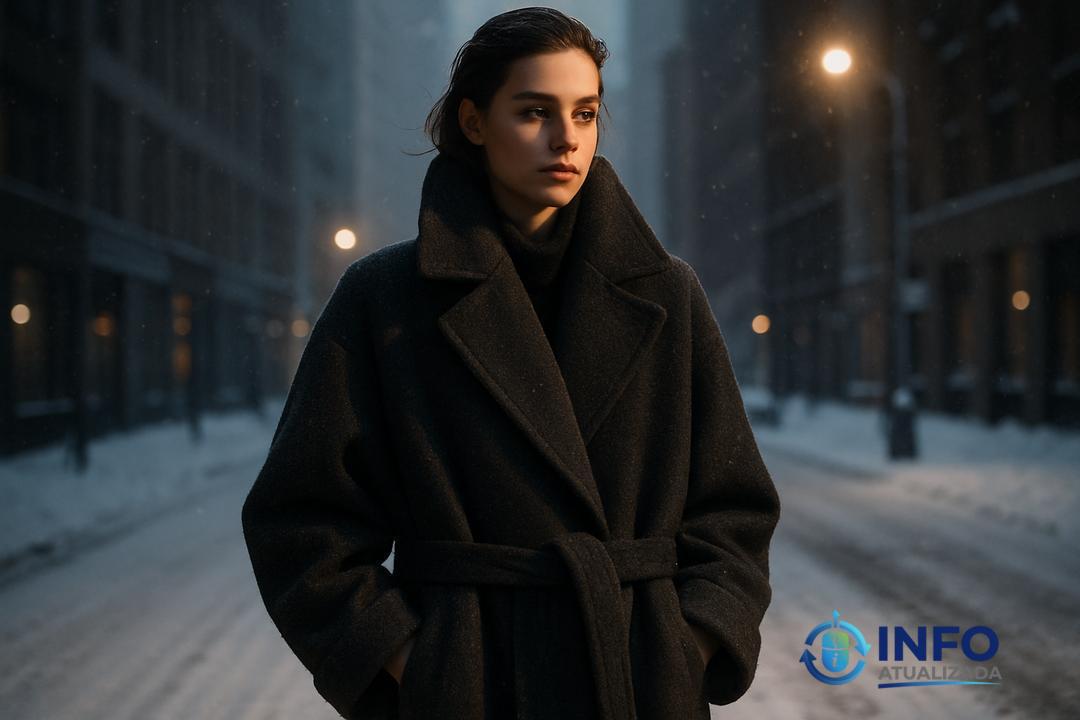
Ever pulled your winter coat out of storage, only to realize it’s not up for the job? We’ve all shivered through a January commute, wishing for something warmer, fresher, or simply more stylish. Let’s face it: finding the best winter coats 2026 isn’t just about surviving it’s about actually enjoying the season.
The stakes are real. Recent reviews highlight how advances in hybrid insulation, waterproof materials, and tailored silhouettes are reshaping what good winter outerwear means. As climate variability increases, more people are searching for coats that strike the right balance between performance, sustainability, and style. Best winter coats 2026 isn’t just a trend; it’s a growing concern among anyone who wants warmth, longevity, and a bit of joy in their cold-weather look.
But here’s the thing: most shopping guides either offer generic “top 10” lists with little context, or focus so much on high-fashion that they ignore real people’s needs like ethical sourcing, body diversity, or changing weather. Quick fixes fall short when you need a jacket that truly does it all.
This article is your shortcut to better decisions. You’ll get clear, practical answers what’s trending, what actually works, climate-specific picks, and honest pros and cons. No fluff. Just a stylish, informed guide so you can nail your outerwear game this winter and for seasons to come.
The Return of the Maxi Trench
The maxi trench is back and this time, it’s not just for the rain. For 2026, runways are filled with sweeping, floor-length trench coats that balance comfort and dramatic flair. Think city sophistication with a relaxed twist. Here’s how designers and real wearers are making this classic new again.
Floor-length silhouettes in 2026
The direct answer: Almost all major brands are showing trenches that fall below the knee, many reaching the ankle.
These elongate the body and instantly make your outfit look sharp, even over casual clothes. Many designers call the full-length trench the “ultimate spring-summer essential.” Look for belted waists and relaxed fits to complement most shapes.
If you’re under 5’6”, test-drive different lengths before buying too long may drag, but an inch above your ankle gives the same impact without feeling overwhelming.
Best wool-blend fabrics for warmth
Wool-blend trenches are resurfacing for extra warmth in cold climates, though most 2026 releases use cotton blends and water-resistant finishes.
Brands are experimenting with breathable cotton blends and lightweight leather, too. If you want both warmth and polish, check for inner linings some new models add a thin wool or flannel layer for spring chill but stay wearable through fall. Don’t be afraid to ask for fabric content in-store or online; blends with at least 40% wool usually offer the most warmth without bulk.
Styling the oversized look
Relaxed, oversized proportions are trending for the maxi trench, but balance is key.
The modern oversized trench works best over streamlined underlayers think a long sweater dress, skinny jeans, or tailored suiting. Many stylists back monochromatic city looks (all beige, all black) for a luxe vibe, but bold prints or color pops still play well if you keep the base outfit simple. If you’re petite, try belting your trench higher at the waist to avoid looking swallowed up by fabric. Or, cuff the sleeves to show your wrists a style trick most Celeb stylists use for a tailored yet relaxed effect.
High-Performance Eco-Puffers
Eco-puffers are changing the way we dress for winter. These jackets pack real warmth, look sharp, and keep our carbon footprint in check. In 2026, they’re more advanced than ever and just as wearable for city life as snowy hikes.
Recycled down and synthetic fillers
Today’s top eco-puffers use recycled down insulation and next-gen synthetics for warmth, even when wet.
Brands like Patagonia use PlumaFill (a synthetic that mimics down) in the Micro Puff Hoody. PrimaLoft Gold Eco fill uses mostly recycled material and gives fast-drying heat. Try a jacket with eco-fill if you want something cruelty-free plus, it often dries faster after snow or rain. Budget pick? Look for puffer styles marked as “RDS-certified” or “PFC-free DWR.”
Waterproof tech-wear finishes
The best eco-puffers feature waterproof barriers without losing breathability.
Some jackets use Pertex Quantum shells or Dermizax layers tested for alpine weather and city downpours. These materials keep you dry while staying light think 10-20 denier shells that don’t feel stiff. For day-to-day use, check for a DWR (durable water repellent) label. If you live somewhere rainy, try storing a small packable parka in your bag for emergencies.
Bold colors for winter 2026
Bold color jackets are a top 2026 winter trend, even if performance matters most.
While details on exact shades are light, brands like Cotopaxi show vivid color-blocked designs in their puffer lines. Don’t be afraid to stand out choose red, cobalt, or a mix of brights for both visibility and fun. Remember, the right color can lift your mood through months of gray skies.
Investment Pieces: The Shearling Revival
Shearling is back as the must-have coat if you want warmth, style, and an investment that lasts. For 2026, designers and shoppers are loving the plush look whether it’s true sheepskin or an ethical alternative. Let’s break down your best options and how to keep these statement jackets looking their best for years.
Faux vs real shearling ethics
Faux vs real shearling is the big debate for winter coats in 2026.
Real shearling comes from treated sheepskin warm and durable, but some worry about animal use. Faux shearling looks and feels almost the same and is popping up in many high-street brands. Trend forecasters note both types last a long time, especially with good care, making them smart choices for ethical winter fashion. If you want cruelty-free, faux versions from labels like Stand Studio lead the way in style and softness.
Classic aviator styles
The aviator jacket trend shows just how cool shearling can be.
These jackets bring together luxury leather and thick fleece for a bold, cozy statement. Want to mix it up? Try a reversible aviator (leather outside, fleece inside, or vice versa), so you get two looks in one. Cream and cropped versions are in too wear with slim pants or bootcut jeans for a modern spin. Experts say Max Mara, for example, uses shawl collars and notched lapels to make the style feel both heritage and fresh.
How to care for heavy outerwear
Caring for shearling keeps your coat looking new and protects your investment.
The best move: have it professionally cleaned at the end of each season. High-quality leather and shearling age well, picking up a cool patina over years. If you own a reversible piece, maintenance is even easier. Always store your coat in a cool, dry closet it’ll look great for winters to come.
Choosing a Coat Based on Your Climate
Every winter’s different and so is what you need in a coat. The smartest pick is always the one made for your weather, not just your wardrobe. Here’s how to shop with strategy, no matter where you live.
Best options for rainy winters
Waterproof materials matter most if you deal with wet, rainy winters.
That means jackets with fully water-resistant outer layers, like GORE-TEX, win out over pure wool, which gets soggy. Toggle coats with hoods block both drizzle and wind. For insulation, look for synthetic fills they stay warm even if the jacket gets damp. If you walk or bike in the city, aim for seam-sealed options for extra dryness.
Extreme cold-weather gear
If you face extreme cold, focus on fill power and length.
Down jackets with 700+ fill power are made for below-freezing temperatures. For super chilly spots (think below -10°F), pick a true parka it’s built for windproofing and body warmth. Hooded parkas go the extra mile in windy or snowy places. Always check the temperature rating and don’t go shorter than above the knee for real protection.
Lightweight layers for mild autumns
For mild autumn days, try lightweight layers like fleece or softshells.
Softshell jackets are a go-to they repel water, block wind, and don’t overheat. Fleeces or thin wool blends work if you want something for the office or casual weekends. On changeable days, layer up: a thin softshell over a warm hoodie covers most bases without bulk.
The direct answer: choosing the right winter coat is always about balancing your needs, budget, and personal style.
While there’s no perfect formula, most experts say a coat that fits your daily life and feels great will get the most wear. Warmth, weatherproofing, and your local climate should guide your decision first. Next, look for pieces that work with most of your wardrobe so you stay comfortable but never feel out of step with your own style. Many fashion editors agree: investing in a style you truly love, whether it’s a statement piece or a subtle classic, is what keeps a coat in steady rotation.
Remember, the best winter outerwear doesn’t have to break the bank. Plenty of affordable brands offer excellent warmth and quality if you pay attention to fabric and fit. The takeaway? Shop with both your climate and your closet in mind and choose something that makes you look forward to cold days, not dread them.