
Classic Watch: A Timeless Accessory for Any Wrist
Classic watch style is back, learn what makes these timepieces iconic, how to choose the right one, and tips for styling every wrist.
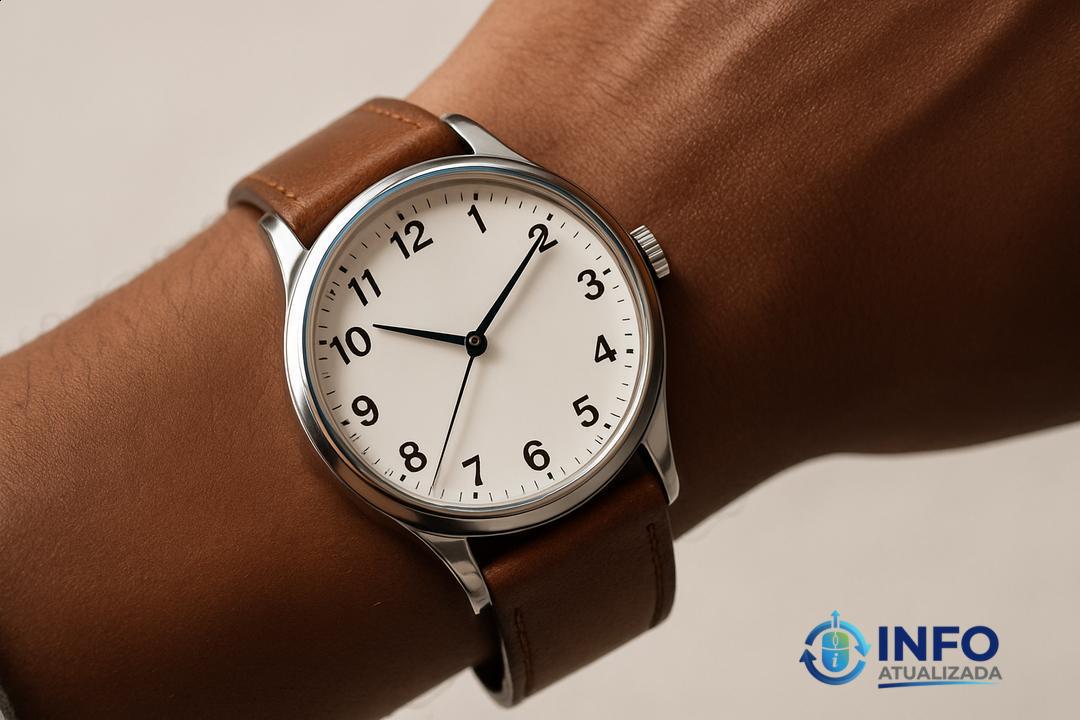
Imagine standing by your closet, ready for any event, but one detail pulls everything together: a classic watch. It’s that subtle signal of taste, the finishing piece between you and quietly polished confidence.
For decades, a classic watch has stood as more than just a way to tell time. Industry experts point to its enduring popularity, thanks to timeless design, high-quality materials like stainless steel or leather, and a mechanical heart that turns function into art. With modern fashion embracing both minimalism and nostalgia, more people are asking: which watch stands the test of time?
Still, most advice out there is either too fancy, pushing luxury models out of reach, or so basic it ignores the subtleties that make a watch really work for your style and wrist. That’s why so many people settle for “good enough” and miss the mark on personal style.
This article is your practical guide to decoding classic watches, a real-world look at what makes them iconic, how to pick one to match your taste (and budget), and smart ways to style and care for it. Ready to find the watch that actually fits your life? Let’s dive in.
What defines a classic watch today?
Classic watches today balance timeless design with modern innovation. You get pieces that last, stand out quietly, and fit nearly any setting. Let’s break down what goes into making one truly classic.
Key design elements
Classic watches use clean, refined shapes and quality materials. Today’s most respected pieces have a 36-41mm case size, neat dials in neutral colors, and often interchangeable straps. Water resistance up to 100m is common without adding bulk.
Modern classics feature a mechanical movement, visible or hidden, adding value and tradition beyond smartwatches. The Rolex GMT-Master II (white gold, green ceramic dial) and Omega Speedmaster Moonshine Gold are real-world examples of this style. As Johnson & Co. put it, “Understated elegance is winning over loud designs.”
For an easy upgrade, try a leather strap or domed crystal to echo the neo-vintage revival that’s gaining ground.
Classic vs. vintage: what’s the difference?
Classic means future-proof, vintage means original era. Today’s classics update the best-loved looks, like Cartier or Rolex heritage models, with tougher, modern materials (think recycled steel or titanium).
They last longer, work better, and still feel timeless. By contrast, vintage watches keep their original parts and style, but may lack new durability or precision. “Classics ensure decades-long relevance via material upgrades,” according to recent watch trend reports.
Aim for a classic if you want a staple watch, not a collector’s item that stays in the box.
Anatomy of a dress watch
A classic dress watch has a slim profile, simple dial, and precious metals. Most measure 38-41mm across and fit easily under a shirt cuff. Look for minimalist indices, hand-finishing, and long power reserves (often 70+ hours).
Patek Philippe’s Aquanaut (diamond-set steel) is a go-to for boardroom-to-weekend style. Experts call this category the backbone of a “one-watch collection”, something you can wear anywhere, any day. If you want real versatility, choose a watch that works for formal, work, and casual, no swaps needed.
Iconic models and essential features to look for
Searching for a classic watch means knowing which models matter and what to look for. The right choice is often about a mix of heritage, construction, and movement that fits your life and style.
Best-known classic watch models
Some models define entire eras of watch history. The Omega Speedmaster earned fame as the first watch worn on the moon in 1969. The Patek Philippe Calatrava set the dress watch standard for decades. Rolex Submariner and Daytona became legendary for their durability and status. Even the TAG Heuer Monaco (1969) stood out with its bold square case, partly thanks to Steve McQueen.
Before you buy, try on watches that blend history with your taste. Start by checking out reissues or modern takes on these icons if originals are out of reach.
Materials: stainless steel, leather, and others
Stainless steel is now the backbone of most classic designs. This material lasts, is easy to care for, and fits dress or sport looks, seen in everything from the Rolex Daytona to the Patek Philippe Nautilus. Alligator or leather straps add dressy polish, while precious metals lift watches into luxury territory.
If you’re active or want low upkeep, stainless steel case and bracelet are practical for daily wear. Save leather or exotic straps for special occasions, they can wear quickly if you get them wet.
Analog, automatic, and quartz movements
Movement makes the watch tick, literally and stylistically. Automatic movement options, like the Zenith El Primero, are prized for craftsmanship and don’t need daily winding. Quartz models are famous for easy maintenance and precise time, though less desirable for collectors.
Choose automatic for tradition and tactile value, quartz for set-and-forget reliability. If you love seeing the inside, look for models with a clear caseback to watch the gears in action.
How to choose the perfect classic watch for your style and budget
Finding the perfect classic watch means balancing fit, budget, and personal style. The best pick feels comfortable, doesn’t break the bank, and works with your everyday clothes.
Face size and fit for different wrists
Face size matters more than you think. If your wrist is under 7 inches, a 36mm case, like vintage Rolex Oyster models, looks timeless and never bulky. Bigger wrists (7.5 inches or more) flow better with 40mm watches, such as the Tissot PRX or IWC Big Pilot.
Expert tip: Always try before you buy, or measure your wrist at home with a tape. Classic proportions are about balance, not just the latest trends.
Budget-friendly vs. investment pieces
There are affordable classic options and investment-grade models for any budget. Under $2000? Look at Seiko Prospex, Tissot Le Locle, or vintage Enicar, automatic, reliable, with style and some history built in. Thinking long-term? Go for heritage timepieces: Oris Divers 65, IWC Spitfire, or a Cartier Tank. Experts note vintage Omega Seamaster and Rolex 36mm offer real value and lasting appeal.
Set your range before shopping. For watches under $1000 used, check the condition of cases and dials so you get the true classic feel.
Matching watches to your wardrobe
One-watch for all looks? It’s possible if you pick the right style. Dress watches like the Timex Marlin or Longines Flagship shine with suits and formalwear. For a mix of smart and casual, try the Hamilton Khaki or Tissot PRX in a neutral dial color. Rugged style your thing? Dive into pilot or diver watches like Seagull 1963.
Simple tip: Neutral dials (white, black, blue) work everywhere, and swapping straps gives your watch a new look for different outfits.
Styling tips: making classic watches work for every occasion
Classic watches can go from black-tie to weekend casual with just a few tweaks. The secret is matching details, like strap material or dial color, to the setting and caring for your watch long-term.
Pairing with formalwear and business attire
Stick with a slim silver watch or black leather strap for formal looks. Choose a minimalist dial, plain white with simple markers or Roman numerals, and keep metal colors in sync with your cufflinks, belt, or shoe buckles.
Expert tip: A Cartier Tank or any dress watch with a clean white face is pure class for a suit. Try a navy suit with a blue-dial watch for a modern spin. Less is more, so skip chunky sport watches at work.
Dressing down with casual outfits
Classic watches also shine in casual settings, just swap leather for canvas or rubber straps. A stainless steel sports watch, like an Omega Speedmaster, is perfect with jeans and a T-shirt. Play with color, neutral dials work everywhere, but try earthy or blue straps for extra style.
Switching straps adds personality. Mix with bracelets if you want a laid-back feel, but avoid anything oversized to keep the look simple and sharp.
Caring for your classic watch
Keep your classic everyday style by cleaning and servicing your watch regularly. A snug but not tight fit is key. Wipe down the case after wearing, and avoid water if you have a leather strap.
Store your watch safely when not in use. Service mechanical models every 3-5 years to keep them running smoothly. The better you care for it, the longer your watch will fit any occasion in style.
The enduring appeal: why classic watches remain relevant in modern style
Classic watches remain relevant because they blend tradition, craftsmanship, and personal expression in a way digital gadgets can’t replicate. People are drawn to them for more than just telling time, they offer a subtle way to show taste, mark milestones, and even tell stories through generations.
Modern trends prove it: brands like Rolex and Omega keep classic models alive, some barely tweaked since the 1950s, yet still topping charts for demand and value. In fact, studies show the vintage watch market grew steadily through the 2020s as more young adults sought heritage pieces for everyday wear. Experts note, “The emotional connection simply isn’t the same with screens,” as one luxury buyer told Thomas Earnshaw’s watch blog.
Tangible quality and versatility stand out too. Unlike smartwatches, a stainless steel dress watch or a leather-banded icon outlasts fads and upgrades, fitting every outfit from a wedding suit to a T-shirt. Their materials, sapphire, gold, mechanical movement, carry value for decades.
Want to add lasting appeal to your own style? Pick a watch that means something to you, not just what’s in stores right now. Care for it, and it may outlive trends, and even become your signature piece, passed down or worn across decades of change.