Cotton Tees: Choosing T-Shirts That Fit Perfectly
Cotton tees never go out of style, discover how to choose the perfect fit, fabric, and finish for comfort and confidence every day.
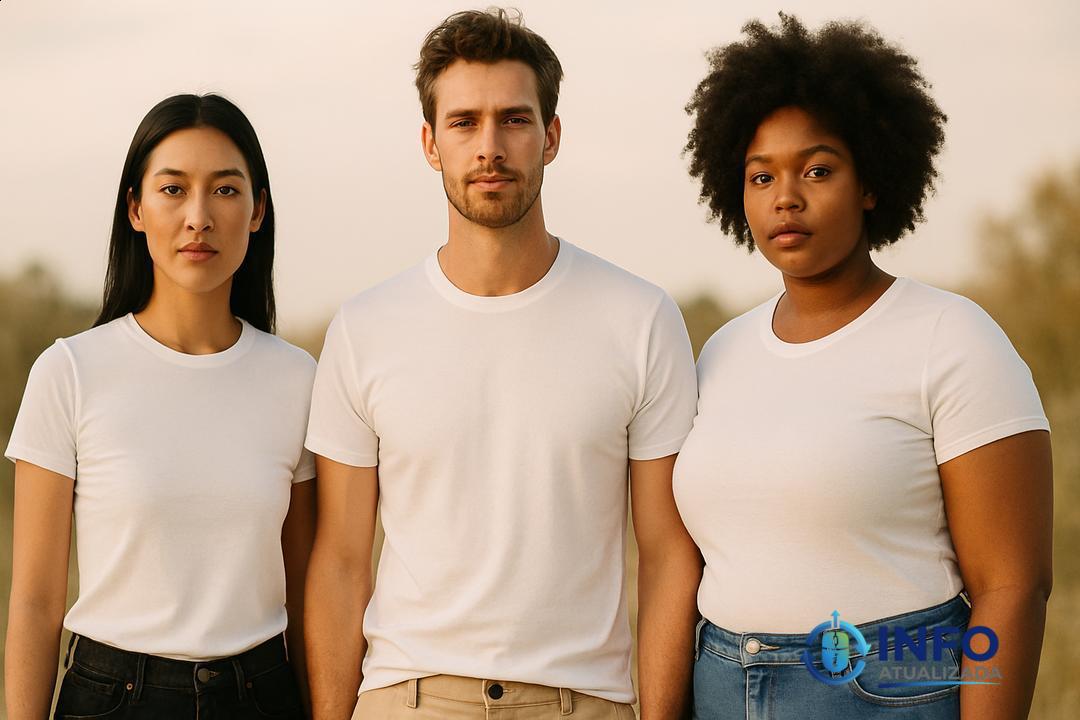
Ever tried on a dozen cotton tees, only to end up with something that just feels… off? Finding the perfect t-shirt is trickier than it should be. Maybe the sleeves are too short, the neck loses shape, or the fabric feels cheap after one wash. If this sounds like your closet roulette, you’re not alone.
For fashion-conscious adults, the seemingly basic cotton tees are actually a staple of self-expression. They’re a go-to for nearly everyone, thanks to their comfort, versatility, and year-round wearability.
Style experts and retailers alike recognize that not all cotton (or cotton tees) are created equal: the fiber type, knit, and weight all play a role in how your shirt fits, drapes, and holds up. As more brands tout “premium cotton,” the sheer number of options can get overwhelming.
The problem? Most advice only skims the surface: “Get a heavier tee” or “buy 100% cotton for breathability.” That doesn’t help you decode fabric blends, understand real shrinkage, or choose details like sleeve length to flatter your build. Quick tips don’t solve the real frustrations.
This article takes a smarter approach. We’ll break down cotton quality and fit myths, compare real-world fabric options, and give you practical ways to spot tees that look and feel premium, without spending a fortune. Get ready to shop smarter, and finally find the cotton tee that feels like it was made for you.
Understanding the different types of cotton and their impact on comfort
If you think all cotton tees feel the same, think again. The type of cotton in your shirt matters more than most people realize. Different varieties create real differences in comfort, durability, and even how your tee ages.
Pima, Supima, and Sea Island cotton compared
Pima, Supima, and Sea Island cotton all have extra-long staple fibers, making tees softer, stronger, and more resistant to pilling.
Pima and Supima both come from the Gossypium barbadense plant. Supima is just Pima grown in the USA, meeting strict quality standards. Sea Island is even rarer, less than 0.004% of global cotton. It’s prized for its silky feel and luxury status.
If you want your T-shirt to stay smooth after many washes, look for tees labeled “Pima” or “Supima.” Sea Island is mostly found in high-end brands, but offers unmatched comfort if you’re willing to splurge.
What makes organic cotton different?
Organic cotton’s purity comes from farming without synthetic chemicals or pesticides.
Unlike regular cotton, organic crops use natural fertilizers and safer pest control. This leads to a softer touch and less irritation for people with sensitive skin. Some experts say organic farming can lower the risk of skin allergies and is better for the planet too.
If you’re eco-focused or prone to itchiness, choosing organic cotton tees could improve comfort and peace of mind. Look for certified organic labels when shopping.
How staple length and yarn affect softness
Longer fibers mean softer tees because they create smoother, stronger yarns.
“Staple length” is the average length of the cotton fiber. Longer staples (like in Pima, Supima, and Sea Island) let threads spin tighter and smoother, reducing scratchy ends.
When shopping, check if the tag mentions “long staple” or “combed cotton.” This signals greater softness and durability. If you want comfort that lasts, choose tees made with longer staple cotton or high-quality spun yarn.
Fabric weight, knits, and blends: How they affect fit, drape, and feel
Don’t let two white tees fool you, they can feel worlds apart. Fabric weight, knit, and blends each shape your shirt’s comfort, look, and performance every time you put it on.
GSM explained: what’s ideal for your tee?
GSM tells you fabric weight, lighter means breezier, heavier means structured and cozy.
Lighter tees (120-160 GSM) feel cool for summer but may show through. Midweight (160-190 GSM) is reliable for everyday wear: not too thick, not too thin. Heavyweight (200+ GSM) offers warmth and a premium hold but less air flow.
If you want an all-season staple, look for tees around 160-190 GSM. Try a heavier 220+ GSM tee if you want something that won’t lose shape after years.
Knit types: jersey, rib, and more
Jersey knit is the most common tee fabric, it’s smooth, stretchy, and drapes well.
Rib knit (double-knit) is thicker and more structured, often used for necklines or fitted shirts. Heavier jersey, like French terry or loopback (300+ GSM), brings extra warmth for sweatshirts and layering tops.
For maximum softness, pick jersey cotton for everyday shirts. If you want more body and less stretch, ribbed collars hold shape best.
Blends vs. 100% cotton: pros and cons
Blends offer stretch and durability; 100% cotton brings ultimate softness and breathability.
A common mix is 60/40 cotton/poly, great for gym shirts thanks to extra stretch and less shrinkage. Blends resist wrinkling and hold prints better. Pure cotton can shrink and wrinkle more, but it excels at breathability and natural comfort.
If you’re after long-lasting tees for everyday wear, blends are a smart pick. For cool, classic softness, 100% cotton still leads when comfort is king.
Getting the right fit: Crew neck, sleeve length, hem, and real-world sizing
The perfect fit isn’t just luck. It comes from understanding size charts, necklines, and small details that change how your tee looks and feels.
How to read t-shirt size charts accurately
Always check the actual measurements, don’t guess by letter size.
Lay a favorite shirt flat and measure across the chest (an inch under the armholes), the length from shoulder to hem, and sleeves from seam to cuff. Compare these numbers to the brand’s chart, sizes aren’t the same everywhere. US sizing uses inches, and width usually increases by 2″ per size.
The best hack: use the same tape or ruler every time to keep it consistent.
Crew neck vs. other necklines, what’s flattering for you?
Crew necks give a classic, balanced look for almost every body type.
If you want more length in your neck or a sharper jawline, try a V-neck instead. Most unisex styles are cut for a straight torso, women might want to size down for a closer fit. For wider shoulders, stick with crew necks for the best silhouette.
Sleeve, hem, and shoulder details for best silhouette
Sleeves should hit mid-bicep, hem at your waistband, and shoulder seams at the edge of your shoulders.
Sleeves that “hug but don’t squeeze” flatter your arms most. The hem should fall just to the hips, add length if you want to tuck. Proportion matters: shoulder seams that sit where your shoulder ends give you the best fit across sizes and brands.
Care, shrinkage, and longevity: Keeping your cotton tees looking great
Keeping your cotton tees fresh and looking new isn’t rocket science. Simple care steps make all the difference in avoiding shrinkage, fading, and worn-out collars.
Preventing unnecessary shrinkage
Wash cold and air dry, high heat is the biggest shrink risk.
Most cotton tees shrink 2–5% after the first wash, mainly if you use hot water or throw them in the dryer. Turn your tee inside out before washing to protect it. If you need to machine dry, use the lowest heat setting.
Smart washing and storage tips
Use gentle cycles and fold, don’t hang, cotton tees for best shape.
Experts recommend mild detergent and skipping bleach to keep color bright. To keep collars crisp, store shirts folded and flat, hangers can stretch necks over time. If you spill, spot-treat stains right away for the best shot at removing them completely.
When to splurge or save on replacements
Splurge for heavy-use basics and save on trendy prints or lounge tees.
Think about the tee’s purpose. If it’s a staple you wear weekly, paying more for thick, high-GSM cotton is worth it. But for shirts that see occasional wear, or styles that may not last after a few seasons, budget options often make more sense. When underarms thin out or hems curl and lose shape, it’s usually time to replace.
How the right cotton tee upgrades your style (and confidence)
The right cotton tee can instantly boost your style and self-confidence.
When your shirt fits well and feels soft, you look put-together, even if you’re just wearing jeans and sneakers. Fashion experts note that a quality cotton tee provides a blank canvas for layering, or stands out on its own with crisp lines and the right drape. A survey by Thread (cited on Perplexity) suggests that most adults pick a well-fitted basic tee for first impressions or casual business settings because it feels “unfussy” and shows personal care.
Premium cotton signals attention to detail and comfort. Pima or heavyweight cotton keeps its shape, so you won’t be fussing with stretched-out collars or sagging hems halfway through the day. Many people find that simple, clean styles reduce decision fatigue, choosing a tee that always looks good can make mornings smoother and help you feel more confident at work or out with friends.
If you want to build easy style, start by finding a cotton tee that fits your shape and lifestyle. Try on a few cuts and GSM weights, and invest in at least one high-quality option. You’ll see, and feel, the difference on day one.
FAQ – Frequently asked questions about cotton tees
What makes a cotton tee high-quality?
High-quality cotton tees usually use Pima, Supima, or organic cotton, have a higher GSM (fabric weight), and feature tight stitching for durability and softness.
Do cotton t-shirts always shrink in the wash?
Most cotton tees shrink 2–5% after the first wash, especially when washed or dried on high heat. Washing in cold water and air drying can minimize shrinkage.
Is 100% cotton better than a cotton blend for everyday wear?
It depends on your needs—100% cotton offers natural breathability and softness, while blends add stretch and hold their shape better, making them popular for active or frequent wear.