
Clean and Green: Sustainable Fabric Care Guide for 2026
Eco-friendly fabric care made simple: discover sustainable laundry tips, natural cleaning solutions, and clothing longevity strategies in one readable guide.
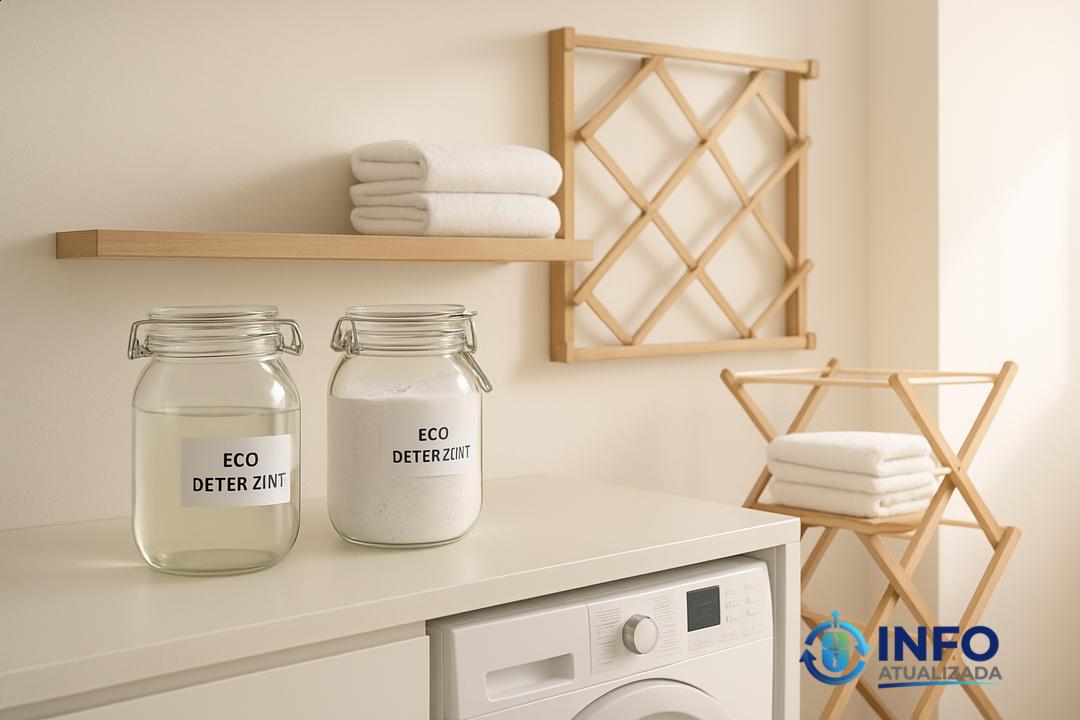
Ever thrown your favorite T-shirt in the wash, only to watch it fade a little more with each cycle? For anyone building a wardrobe with heart or a conscience the routine of laundry brings a real dilemma: how do you keep clothes fresh without harming the planet or ruining what you love?
This is where eco-friendly fabric care comes in. The choices you make in the laundry room have a far bigger impact than most realize. Energy use, water waste, and chemicals in common detergents all add up. Experts say that even simple shifts like using cold water or natural detergents can help cut your environmental footprint while giving your clothes a longer life.
The snag? Most online tips focus on surface-level swaps or quick fixes. But you want solutions that actually work with your life and style without costing a fortune or requiring a science degree.
This guide changes that. Here, you’ll get straight talk about what works, where to start, and how to maintain both your values and your wardrobe. From energy-smart wash strategies to DIY detergent mixes and keeping those statement pieces looking good for years, it’s all here real advice for real people, no greenwashing required.
Reducing Your Laundry’s Carbon Footprint
Taking small steps in how you wash and dry your clothes can make a big dent in your household’s carbon footprint. Every time you choose to use less energy or avoid wasteful habits, you help both the environment and your wallet. Let’s break down the smartest ways to cut down your laundry’s impact, starting with water temperature and ending with appliance upgrades.
Washing at lower temperatures
Wash with cold water whenever you can. Cold washes can save up to 90% of the energy needed for each load. That’s because most of the electricity a washer uses goes to heating water. The good news: modern detergents work just as well in cold, so you won’t miss out on clean clothes. For everyday washing t-shirts, jeans, casual wear cold is usually enough. Want your whites brighter or need to disinfect? Save a high-temp wash for those rare occasions.
The benefits of air drying
Skip the dryer cycle and hang clothes to dry. Air drying can shrink your yearly energy bill by around $100 and adds years to your garments. It’s a double win: less power used, less wear and tear. If outdoor lines aren’t an option, a small indoor rack does the trick for most climates. Experts also point out that sun-drying out in the open naturally freshens fabric and helps kill bacteria no dryer sheet needed.
Energy-efficient appliance tips
Choose an energy-efficient washer and dryer when you upgrade. Look for the ENERGY STAR label these machines use about 25% less electricity and 33% less water than standard models, according to EPA data. Not ready for a new appliance? Help your current machine perform its best by always running full loads (but not overstuffed), keeping the lint filter clean, and using short or “eco” cycles whenever possible.
Natural Alternatives to Chemicals
If you want safer, greener laundry, you don’t need a shelf full of chemical products. Plenty of natural choices get your clothes clean, soft, and smell-free without leaving lingering residues or debris behind. Here’s how you can swap out harsh cleaners for smarter, planet-friendly options.
DIY eco-friendly detergents
Homemade laundry soap tackles dirt while being gentle on clothes. Most DIY recipes use simple ingredients like baking soda, white vinegar, castile soap, and a few drops of essential oil. Not only do these blends avoid strong chemicals, but they also cost less and cause fewer allergic reactions compared to standard detergents. One popular example: vinegar and baking soda, which leave clothes clean without harsh scents or leftover residues. The market for these natural household cleaners is growing fast, and nearly 60% of shoppers choose them for safety and clear ingredients.
Using wool dryer balls
Dryer balls reduce drying time and keep clothes fluffy, no fragrances needed. Tossing 3-5 wool balls into your dryer can shave up to 25% off drying time, according to eco-living blogs and green advocates. They are biodegradable, help soften fabrics, and curb static without the microplastics or synthetic scents common with dryer sheets. For best results, skip sheets completely just use the dryer balls and your laundry will come out soft and less wrinkled.
The power of steam for refreshing clothes
Steam freshens clothes and kills germs using only water vapor. A handheld steamer or steam-cleaning cycle can remove wrinkles, clear out odors, and kill 99.9% of common bacteria without a drop of detergent. Many eco-experts say steaming is one of the cleanest ways to sanitize delicates and work clothes between washes. It’s also a smart move if you struggle with allergies steam avoids chemical residues and is recommended for those sensitive to scented products.
Preserving Garment Longevity
If you want your clothes to last, treating them carefully matters just as much as choosing good fabrics. Making a few smart changes will keep your best pieces looking fresher and save you money over time. Let’s look at how you can protect your wardrobe, step by step.
How frequent washing damages fibers
Less washing, longer life especially for delicate fabrics. Each trip through the machine causes tiny rips in threads, weakens structure, and even fades color. WRAP research shows that over-washed items are tossed faster garments are now worn about 10 times before being thrown out, down 36% in the past 15 years. Experts recommend saving machine washes for genuine dirt, not just a day of light wear. Most people expect their cotton to last much longer, so washing only when needed really pays off.
Spot cleaning techniques
Target stains, not whole clothes, whenever you can. Dab away spills with gentle soap or special stain removers, skipping a full wash. Spot cleaning is a secret weapon for luxury fabrics and busy wardrobes alike it means less stress on fibers and better color over time. Brands like Marks & Spencer use enzyme finishes to help stains lift after 20 washes, while WRAP’s tests show these techniques extend the life of everyday and designer items alike.
Storing luxury eco-fabrics
Protect from sunlight and store in breathable bags to keep fibers strong. Never use plastic bags for storage cotton, linen, and wools need airflow. Research from NTU and WRAP finds that storing clothes thoughtfully (cool, dry, dark spaces) and folding knits prevents stretching. Extending an item’s life by just nine months can cut your closet’s carbon and water footprint by 20% and can save you serious money in the long run.