
Mycelium Leather: Why Mushroom-Based Fashion is the Future of 2026
Mycelium leather fashion 2026 is changing everything eco, luxe, practical. See how mushrooms are setting sustainable style trends for the future.
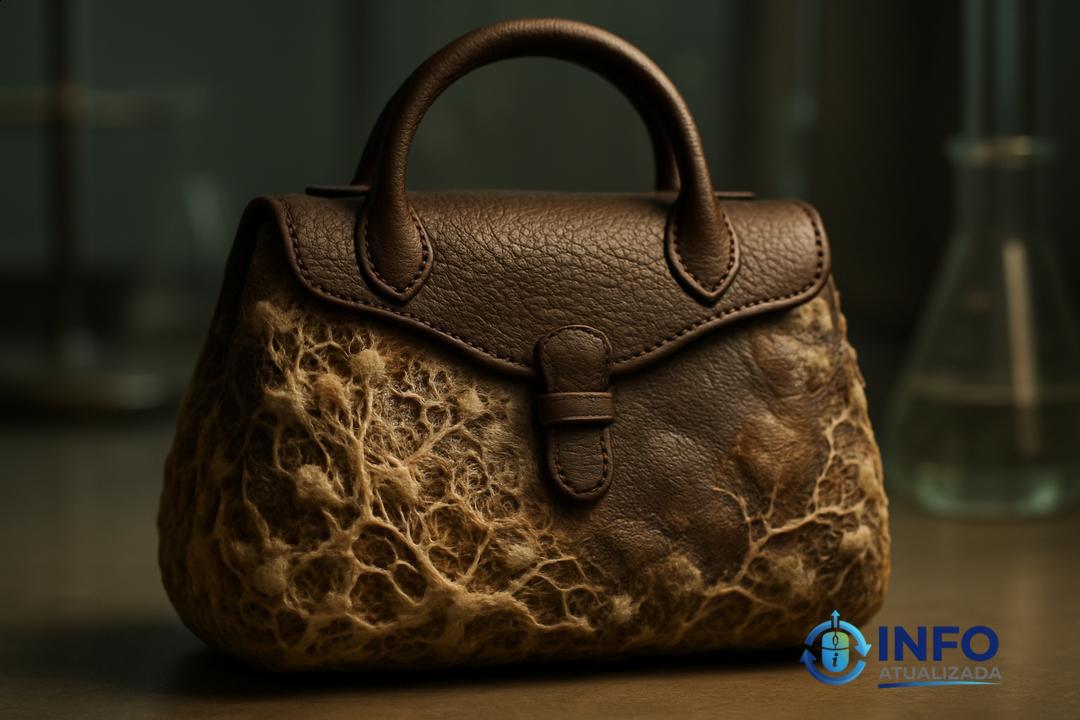
Imagine a world where luxury leather jackets and handbags grow quietly in high-tech farms using fungus. Sounds futuristic? The future is already sprouting in the world of Mycelium leather fashion 2026.
Major fashion houses and innovative startups are betting big on this new material. Mycelium leather isn’t just a “vegan” alternative. It’s emerging as one of the fastest-growing segments in sustainable fashion, often outperforming animal and plastic leather on environmental impact, scalability, and even design freedom. With established brands like Hermès and Adidas already rolling out eye-catching releases, the “mushroom moment” is here to stay.
But here’s the catch most guides gloss over real concerns: Is it actually durable? How much does it cost? Can a mushroom purse handle a rainstorm, or will it just dissolve?
This guide breaks the mold. You’ll get a practical, evidence-based look at the science, the hype, and the hidden details most fashion outlets skip. From eco stats to fit-and-feel, see if mushroom-based leather is your style future.
The Rise of Fungal Textiles
Fungal textiles are taking the fashion world by storm. What once was just a sci-fi idea is now growing in labs and showing up in real closets. Here’s why so many designers are paying attention to these futuristic fabrics.
Sustainability benefits of mycelium leather
Mycelium leather is a renewable, biodegradable alternative to animal hide. Unlike traditional leather, making it uses way less water only 45 liters per cycle compared to a whopping 80,000 liters for cow leather. It also cuts CO₂ emissions dramatically, releasing just 0.7 kg per cycle instead of more than 355,000 kg from animal sources. That means you get a stylish bag or shoe with a much smaller planet impact. A real-world tip: when you choose mycelium-based accessories, you’re cutting into one of fashion’s biggest sources of waste.
Comparing mushroom leather to animal hide
Mycelium leather matches animal leather for strength and flexibility, but wins big on efficiency. Manufacturing is fast mushrooms grow in about 60 days, while raising cattle takes years. And scale matters: One company says their yearly production could replace 30,000 cows and save over 10 billion kg of CO₂. Want a quick performance check? Mycelium leather handles heat and wear so well, some brands now use it for stamped or pressed accessories you’d never guess weren’t animal skin.
The environmental footprint of bio-fabrics
The truth: energy use can still be high. One study found that producing a square meter of mycelium leather creates 57.15 kg CO₂e, mostly from the electricity needed in labs. That means the benefits depend on how clean the energy is where it’s made. Still, the market is exploding. As tech improves and more brands invest in clean power, the future of eco-friendly leather looks brighter. Want to do better? Check your favorite brand’s transparency about their energy use before you buy.
Top Luxury Brands Using Mycelium
Luxury labels aren’t just watching the fungi craze they’re shaping it. The world’s biggest names are now showing off mycelium pieces, and the competition is getting fierce.
High-fashion houses embracing fungi
Hermès and Stella McCartney lead the movement by collaborating with mycelium innovators. Hermès worked with MycoWorks to launch the Sylvania bag, even tanning the material in France for that signature luxury finish. Stella McCartney is using Hydefy mycelium for guilt-free accessories, while Calvin Klein and Adidas are quietly testing their own fungal releases. Want a quick tip? Watch for “Fine Mycelium” or “Mylo™” tags these signal a truly next-gen fashion piece.
Limited edition drops in 2026
Pre-orders and limited runs are the name of the game for 2026. Collectors are already buzzing about Hermès’s limited Victoria bag releasing late 2025 or early 2026. Spora Biotech’s first batch of bags sold out in 48 hours, proving the hype is real. With EU eco-passports coming soon, expect even more brands to announce exclusive drops. If you’re a collector, keep tabs on brand newsletters these items go fast.
The price point of sustainable luxury
Costs drop 30–40% yearly, but the price is still high matching traditional designer leather for now. Mycelium leather keeps the luxe feel without animals or plastics. Hermès’s new bags are tanned in France and don’t skimp on craftsmanship. With more brands scaling up, prices will likely ease. Looking for value? Gen-Z buyers say they’ll pay more for durable vegan leather that comes with a story so if this matters to you, you’re not alone.
Durability and Performance of Bio-Leather
How tough is mushroom leather, really? Here’s the scoop on daily use, water worries, and keeping those vegan accessories looking sharp without any guesswork.
How long does mushroom leather last
Mushroom leather lasts 5-15 years with good care. That’s shorter than premium animal leather (which can survive 20-50 years), but far better than many cheap PU vegan options. If you ever compost it, expect mycelium to break down naturally in 3-6 months making it both stylish and earth-friendly. Real example: Mycotech’s Mylea mimics cow leather’s toughness, but aging depends on how you treat it every year.
Water resistance and daily wear
Unless treated for water resistance, mushroom leather soaks up moisture and loses strength in the rain. The good news? Modern coatings (like plant wax or PLA) can double tear/flex strength over animal leather. Untreated, it can fade after 8-12 months of heavy sun, but owners report no cracking or peeling, even after a year of moderate use. Want your bag to last? Opt for pieces with a water-repellent finish.
Maintenance tips for organic accessories
Plant-based conditioner keeps mushroom leather soft and safe. Skip regular leather cleaners (they can damage bio-materials). Use a damp cloth for dirt, avoid long sun exposure, and store your item somewhere dry. For extra protection, reapply natural wax or a specialized spray every few months. A little care goes a long way to help your favorite fungi-based pieces outlast fleeting trends.
The bottom line: Is mycelium leather worth the hype?
Mycelium leather is absolutely worth the hype for the right shopper. It’s not just a buzzword: you’ll find this material in Hermès bags, luxury couches, and fashion runways. Tests and owner reports show that, with good care, these accessories last 5-15 years much longer than many vegan leathers, though still less than top-quality animal hides.
The sustainability side is real. Mycelium leather uses only 45 liters of water per cycle and offers CO₂ savings as high as 10 billion kg per year when fully scaled. That’s a game changer for eco-minded buyers. The main catch? Early models can be pricey, and some options may need extra waterproofing or gentle handling if you want them to really last.
If you crave luxury with a cool story and love the idea of skipping animal or plastic materials mycelium is probably your next favorite accessory. Brands like Hermès and Stella McCartney back it up with serious investment, and tech improvements are already making each new drop better and more affordable. Want in? Look for pieces carrying tags like “Fine Mycelium” or “Mylo™” and check brand care guides for maximum life. The bottom line: this innovation is no gimmick. For conscious style fans, it’s finally a win-win between ethics and performance.