Quality Belt: The Finishing Touch for Any Outfit
Quality belt buying guide. Discover belt types, materials, sizing and style tips so your look is polished from head to toe.
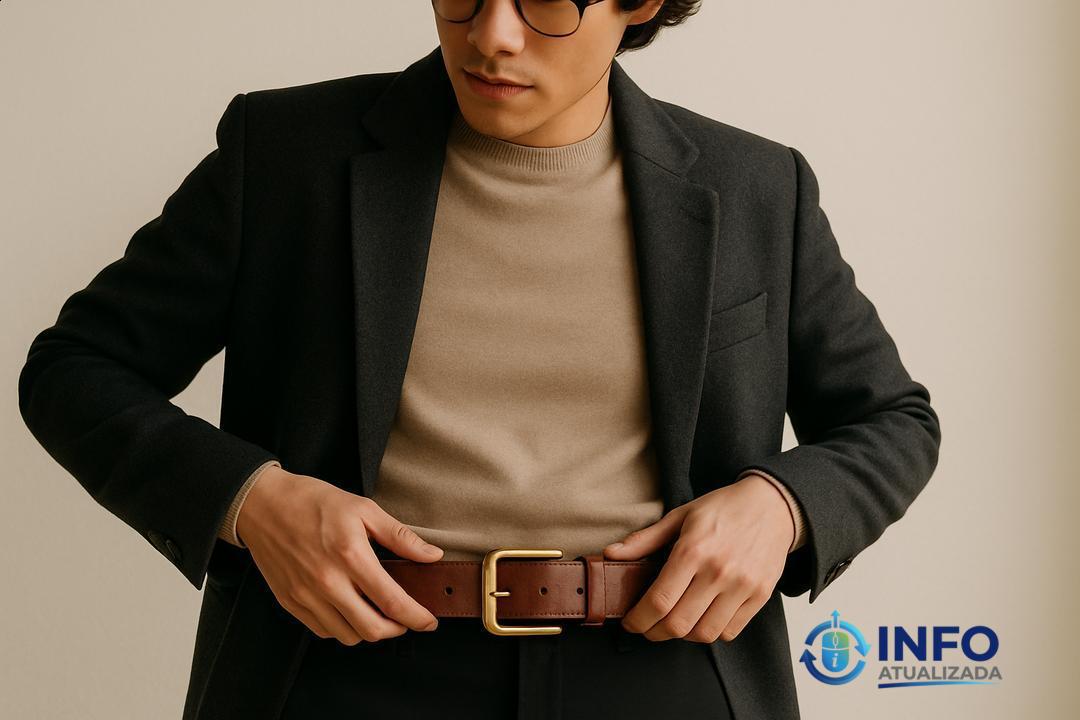
Ever spent ages perfecting your outfit, only to feel like something’s missing? Often, it’s not the shirt or shoes at fault, it’s the belt. A quality belt doesn’t just hold up your pants; it pulls your entire look together and quietly signals taste and intention.
A growing number of fashion-conscious people are asking more about what actually makes a belt high-quality. Is it all about the leather grain, or does the buckle style matter just as much? Experts highlight details like stitching density, buckle metal quality, and durability, qualities often overlooked in lower-priced options.
Most guides just tell you to “look for real leather” or offer quick fixes, glossing over deeper differences around construction, fit, and long-term value. The reality is, that advice barely scratches the surface, and it often leaves you unprepared for real-life buying decisions.
This article offers a comprehensive, no-nonsense breakdown. You’ll learn what sets a premium belt apart, how to pick the right type for different outfits, smart care tips, and why better belts ultimately save you money (and frustration) down the road.
What defines a quality belt? Key materials and construction standards
A quality belt starts with materials and construction. Top belts use thick, strong leather, smart stitching, and sturdy buckles. Choosing well means your belt will last years, not just one season.
Types of leather: full-grain vs top-grain
Full-grain leather is the gold standard for quality belts. It uses the hide’s outer layer, making it tougher and longer-lasting than top-grain leather, which is sanded down and often thinner. Full-grain belts (usually 10–14 oz thick) develop rich character over time, resisting cracks and splits that cheap top-grain belts show early. If you’re shopping, bend the belt, quality leather won’t show wrinkles or fade lines with a quick twist.
Stitching, edging, and buckle hardware
Look for 10–12 stitches per inch and well-finished edges for true durability. Tight, even stitching keeps the belt strong and neat, while poor or uneven stitches can unravel fast. Top edges should be smooth to the touch, rough cuts signal shortcuts. Hardware matters too: a solid brass buckle or stainless steel buckle resists corrosion much longer than plated or flimsy metal. A real sign of quality? The hardware feels heavy and well-shaped, not thin or hollow.
Work-grade vs dress belt construction
Work-grade belts focus on durability, while dress belts focus on finish. A work-grade belt uses thicker leather or even reinforced layers for serious strength. It’s ideal for jeans or tough jobs where you’ll stress the belt all day. A dress belt, on the other hand, has a slimmer profile, usually with a neat finish and polished buckle, perfect for business or formal wear. If you want a single belt to do both jobs, look for a high-quality, slightly wider design with a simple, classic buckle. This gives you style and staying power for everyday use.
How to choose the right belt for your outfit
Picking the right belt comes down to proportion, color, and matching the occasion. Your choice sets the tone, finishes your look, and can even change how tall or trim you look.
Belt width and proportions
Belt width makes a big difference in the overall look. Slim belts, about 1 to 1.2 inches wide, work well for petite or slim frames. Bigger, athletic or broader builds should choose something closer to 1.4 to 1.6 inches for balance. For dressy outfits, keep it narrow (around 1 inch). Jeans and casual chinos call for wider belts: 1.5 inches is a sweet spot. An easy sizing tip: your belt should be 1–2 inches longer than your pants waist.
Matching leather and buckle style to shoes
Always try to match leathers and finishes. For formal looks, choose a leather and buckle that closely matches your dress shoes. Black leather and a silver buckle for black shoes and suits. Browns go best with tan or brass/gold buckles. For casual wear, rugged full-grain leather and larger buckles work. Never mix patent with matte, or sporty with sleek. If in doubt, stick to simple buckle shapes for versatility.
Identifying reversible and multipurpose belts
Multipurpose and reversible belts are perfect if you mix dress and casual outfits. Look for top-grain reversible belts, black on one side, brown on the other. They work for everything from office days to nights out. Some braided belts (about 1.4 inches wide) also shift easily between shorts, chinos, and jeans. One practical tip: keep the tail (the end after the buckle) short for formal looks, a long tail only works with jeans or laid-back styles.
Sizing and care: Ensuring your belt lasts and fits perfectly
A good belt does more than hold up your pants. Sizing it right and caring for the leather will keep it looking sharp for years. These simple habits save money and hassle down the road.
How to measure your belt size correctly
Belt sizing tip: Add 2 inches to your waist size to find your belt size. For example, if your jeans are a 34, look for a 36 belt. To be exact, measure from the buckle end to your current most-used hole, round to the nearest inch. A measuring tape through your loops while dressed gives another smart check. Remember: most good belts have 5–7 holes to adjust for daily changes.
Tips for breaking in and caring for leather
Leather conditioner keeps your belt soft and strong. Condition every 6 months or when the leather looks dry. Always clean dirt with a soft cloth first. Avoid water damage, never soak your belt or let mud dry on it. To break in, wear the belt often but don’t over-tighten. For storage: store flat or hung, never roll tightly.
Common mistakes that shorten belt lifespan
Skip sharp bends and extreme stretching. Don’t buckle your belt too tight or use it as a tool (like to hang heavy items). Getting the wrong size, especially one too short, causes creasing and cracks. If you notice your belt warping or surface breaking, it’s likely one of these habits. A quality belt lasts for years with simple care, so treat it right from day one.
Style upgrades: Trends, color choices, and personalizing your look
Belts are more than just functional, they put a stamp on your style. The right upgrade can make any outfit stand out and spark confidence, especially as individual looks lead trends in 2026.
Trend alert: Buckle designs and statement belts
Statement buckles and bold belt designs are in the spotlight this year. Runway shows are doubling down on large, sculptural buckles and wide belt silhouettes that draw eyes to the waist. Brands are expanding to offer custom sizing and adjustable belts that work for everyone, a move supported by adaptive brands like SKIMS now carrying sizes up to 5X. If you want fashion impact, try a desert-tone belt with a standout buckle or a playful shape for instant edge.
Mixing colors and textures for effect
Mixing colors and textures is a fast way to modernize a plain outfit. Checks, bold clashing colors, and advanced layering are trending, with checked patterns up 22% for women in 2026. Don’t be afraid to put a rich blue or electric red belt over sandy or neutral layers. Try pairing a woven or textured belt with smoother fabrics to get a look that feels fresh and put-together.
Custom and monogram options
Personal monogram and custom details set your belt apart. Demand for personalized accessories is growing. More brands now offer name stamping, custom colors, and true-to-you sizing. This trend is big with Gen Z and shoppers who want pieces that reflect who they are, not just what’s trendy. Get a belt with your initials or unique stitching to make your mark. A custom belt not only fits better, it feels like you.
Why investing in a quality belt pays off over time
Investing in a quality belt saves you money and effort over time. Well-made belts can last five years or more, while cheap ones might crack or warp in just a season or two. This means fewer replacements and less waste in your closet.
Experts point out that genuine full-grain leather handles daily wear without losing shape or color. The cost per wear drops with every year your belt stays strong and looks good. As many stylists say, “spend more once, and you’ll spend less later.”
Real-world examples show that people who buy sturdy, classic belts rarely have to shop for a replacement, saving time and frustration. High-quality stitching and solid buckles also prevent unexpected breakage when you’re out and about. If you care about reliability, buy the best belt you can afford, and it’ll become a trusted staple across styles and seasons.