
Starting Your Slow Fashion Journey: A 2026 Beginner’s Guide
Slow fashion for beginners: Discover practical steps, avoid rookie mistakes, and build a timeless, conscious wardrobe for 2026 and beyond.
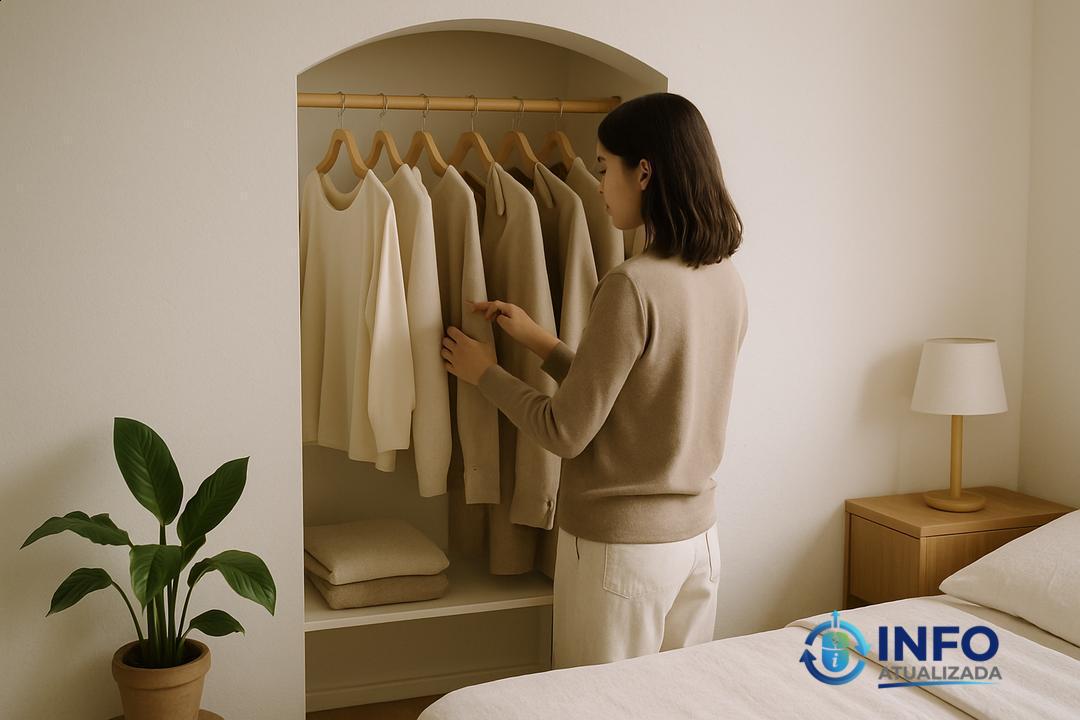
Ever felt overwhelmed by overflowing closets and microtrends that vanish before your next paycheck? You’re far from alone. Many of us crave wardrobe sanity and want to dress with purpose but are lost in a cycle of buy, toss, repeat.
There’s a growing movement among fashion-conscious shoppers searching for a better way. Embracing Slow fashion for beginners means prioritizing quality, ethics, and personal style over the churn of fast fashion. Research consistently shows that slow fashion habits like building a timeless capsule wardrobe or repairing and caring for your clothes both reduce waste and can save money in the long run.
The problem? Most advice stops at “just buy less” or “shop ethically.” But a lot of those quick tips miss the messy reality: higher upfront costs, fear of missing out on trends, or simply not knowing where to start or what brands to trust in 2026.
This guide cuts through the noise. Here, you’ll find a real-world roadmap for slow fashion beginners packed with expert-backed principles, practical shopping strategies, clear steps for extending the life of clothes, and a savvy look at sustainable brands. Let’s get your closet working for you, not against you.
The Core Principles of Slow Fashion
The core principles of slow fashion come down to choosing quality, making smart investments, and going beyond trend-chasing. It’s about building a wardrobe that lasts, both in style and in construction.
Quality over quantity explained
Buying fewer, better-made clothes is at the heart of slow fashion.
Instead of a closet stuffed with fast fashion, you aim for a handful of pieces think: strong stitching, sturdy fabrics, and timeless cuts. Research shows that slow fashion shoppers invest in garments built to last several years, not just one season. For example, one quality linen shirt can outlive a drawer full of flimsy tees. If you’re not sure where to start, check seams and fabric thickness before purchasing. This simple test often separates real quality from disposable trends.
Understanding the cost per wear
Slow fashion makes sense for your wallet if you do the simple math.
Imagine you buy a $100 sweater that lasts 10 years. That’s $10 per year. Compare that to five $20 sweaters that fall apart in a year each same money spent, but far more waste. Experts suggest tracking the cost per wear of big purchases, either with a mental tally or a spreadsheet. This mindset shift can keep you focused on real value, not just sales tags.
Why seasonal trends are fading
Slow fashion moves away from temporary trends and micro-seasons, pushing you to build a more personal, lasting style.
While fast fashion companies pump out new lines every few weeks, slow fashion designers aim for classic silhouettes that look good year in, year out. Real-life tip: next time you shop, ask yourself if the piece will work for most seasons and with the rest of your closet. This habit helps dodge impulse buys and that dreaded “nothing to wear” feeling even as trends come and go.
Researching Ethical Brands
Finding truly ethical brands isn’t as overwhelming as it seems. Look for real proof not just promises, using a mix of new tools and common sense checks. Here’s what to watch for as you shop in 2026.
How to spot greenwashing in 2026
The direct answer: Don’t trust vague claims always verify.
Many brands use words like “eco-friendly” with no facts to back them up. In 2026, consumers use third-party data and AI-powered tools to spot fake claims. For example, check if the brand shares clear supply chain metrics or relies on buzzwords. According to recent reports, 64% of buyers act on brand trust, so catching greenwashing matters more than ever. A simple tip: If a brand won’t show metrics or answer tough questions, move on.
Using brand transparency apps
Transparency apps let you check brands’ ethics instantly.
These apps scan for independent reviews, social media feedback, and even AI-driven data about labor and sustainability. Brands get scored on how open they are with policies and sourcing. Try using a popular app to check if a brand has recent negative news or if workers are treated fairly. A quick app search can show if a company walks the talk on ethics saving you time and worry.
The importance of fair-trade certifications
Certifications like Fair Trade are real proof of ethical sourcing.
Look for labels from third-party groups on product tags or brand websites. These show the brand follows strict standards for worker safety and fair wages. In 2026, loyalty grows around brands with public, verifiable certifications because it’s harder to fake. Next time you shop, check for these seals or ask brands to prove their credentials you deserve evidence, not empty words.
Making Your Current Clothes Last
Making your clothes last is surprisingly simple. Basic mending, smart storage, and rotating what you wear make a massive difference. Try these strategies to keep your favorite pieces going year after year.
Basic repair and tailoring skills
Learning simple repair skills saves money and helps the planet.
Experts say repairing garments can displace new purchases by 82%, saving about 7.5kg CO2e per mended cotton tee. Try hemming pants or sewing on a button top skills for real wardrobe mileage. Tailoring services are booming, from simple adjustments to high-tech 3D body scans for perfect fits. Remember: Every fix cuts waste and keeps clothes out of landfills longer.
Proper garment storage tips
Store clothes right to help them last longer.
Prevent damage with a few easy habits: keep garments in cool, dry spaces, and use breathable cotton bags for storage. This wards off moths and dust, making future repairs easier and keeping your clothes fresh between wears. Even vintage guides from the 1960s stress good storage for long-lasting wardrobes.
Rotating your wardrobe effectively
Switch up what you wear to spread out the wear and tear.
Rotating your wardrobe keeps all your pieces in play, letting fabrics rest and reducing stress on favorites. Platforms like Vinted or Depop help you swap or resell what you’re not wearing. Millennials and Gen Z are already driving a surge in sustainable wardrobe rotation and with every switch, you extend life and lower your closet’s impact.
Conclusion
The bottom line: Slow fashion is possible and worth it, even if you’re just starting out.
You don’t need to change your whole life overnight. Research and real-world stories show that each small step repairing instead of tossing, shopping thoughtfully, or storing clothes well makes a real difference. For example, repairing just one cotton shirt saves about 7.5kg CO2e, and learning to rotate or care for your wardrobe can reduce waste by over 80%.
Surveys from 2025 point out that brand trust matters now more than ever, with 64% of buyers supporting brands based on real values, not empty promises. The slow fashion movement is growing because people want clothes that last, save money, and do less harm. Experts call this an everyday way to “align your closet with your conscience,” and millions are making it their own.
The key tip? Start small. Pick one habit like mending jeans or using a transparency app before your next buy and let your slow fashion story begin there. Over time, you’ll see your wardrobe get better, not just bigger. That’s real style and it fits everyone.