How to Transition Your Summer Wardrobe to Autumn 2026
Summer to Autumn fashion transition made easy. Discover expert tips for layering, shoe swaps, and reworking summer finds for Fall 2026.

You know that moment one day you’re in your favorite sundress, the next, the breeze has an edge and you realize, summer’s saying goodbye. Making your closet keep up with the weather? Not always easy, especially when the forecast can’t decide if it’s July or October.
Every year, a growing number of style-conscious people look for smarter ways to handle the Summer to Autumn fashion transition. Fashion sites report that transitional dressing is among the most searched style topics heading into autumn, and with good reason: nobody wants to buy a whole new wardrobe for a few unpredictable weeks. Layering techniques, fabric choices, and color palettes become make-or-break details during this shift.
The problem? Most advice just tells you to “add a jacket” or “swap your sandals for boots” not much help if you want to look intentional, not thrown together. Quick fixes rarely solve the challenge of changing temperatures, emerging trends, and finding pieces that work double duty.
This guide doesn’t just rehash fashion clichés. You’ll get real strategies for layering, insight into which trends matter for 2026, and practical swaps like when to ditch your sandals for loafers without feeling frumpy. Ready to build a wardrobe that actually adapts to autumn? Let’s get into it.
The Layering Essentials for Transitioning
Layering is the secret sauce for gliding from summer into autumn without a wardrobe overhaul. The trick: Mix your summer favorites with new textures and smarter combos. Temperature swings? You’ll be ready.
Integrating light knits over dresses
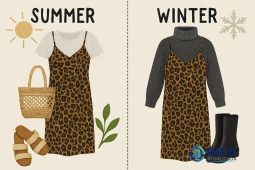
The fastest way to stretch your summer dresses is to throw light knits over them. Think chunky cardigans or oversized sweater vests layered on top of cotton or floral gowns. It’s not just cozy; it balances light and heavy fabrics, keeping you warm but not weighed down.
Style tip: Pair a flowy dress under a chunky cardigan, then add opaque tights or ankle boots for that in-between weather. Designers love mixing oversized knits with fitted dresses to keep things feminine. If the weather can jump 20 degrees in your area, always keep a cotton-blend sweater in your tote.
The importance of the transitional trench
A classic trench coat is a must for unpredictable days. Its mid-weight construction shields you from wind or a surprise shower, but breathes so you’re not overheating. Most editors say it’s their #1 piece when September hits.
Wear your trench over anything: midi skirts, jeans, even summer tanks. Go oversized if you love to layer up underneath a checked shirt or light hoodie fits easily. For a modern twist, organza trenches can add an edge while still blocking out the elements.
How to use scarves as layers
Scarves as layers are a tiny detail that makes a huge impact. Beyond staying warm, a good scarf adds texture, color, and instant personality. Patterned scarves pop best over basics think a bright print tossed atop a simple white tee or denim jacket.
The best hack? Use breathable fabrics like cotton. Drape loosely for style, or wrap tight when temperatures dip. Need to switch up your look on the go? Swap in a new scarf and suddenly your outfit feels fresh and functional. Scarves work for everyone, all genders, and all layering levels.
Footwear Shifts for Cooler Weather
Switch to closed shoes with style. This fall, lean on low-profile sneakers, glove-fit pumps, and modern boots to bridge the gap between seasons. These shoes offer coverage but stay light no more clunky boots when it’s still 70 degrees in the afternoon.
On the runways, designers love sleek sneakers and soft ballerina shapes (think Prada or Rick Owens). Low-profile sneakers look chic, move easily from a silk summer dress to autumn denim, and have been trending strong for three years. Trend experts say, “Out with chunky and in with sleek chic… light, more chic shoes that you can even wear with a silk dress in the summer.”
If rain or wind are rolling in, PVC and satin details update classic boots and pumps. Flat sock boots or thigh-highs keep your feet cozy, but don’t add bulk. For extra style points, jewel tones and bold prints nod to autumn color without feeling heavy. Try pairing sneakers with hosiery or wool socks for warmth you’ll get more wear out of your summer sandals and dresses, even in October. Mix-retro and canvas sneakers for grip when sidewalks get slick. And if you want a quick win, swap your sandals for glove pumps or sock boots as soon as temps drop below 65.
Conclusion: Creating a seamless seasonal shift
The key to a seamless seasonal shift is getting strategic with your layers, shoes, and favorite pieces. Many style experts agree: You don’t need a full closet overhaul when summer ends. Instead, practical layering and thoughtful shoe swaps help you keep your best looks going strong.
The secret? Mix light knits with breezy dresses, blend autumn color palettes and textures, then reach for weather-ready shoes as the temperature drops. Even if the weather changes by 15 degrees in one day, smart moves like swapping sandals for sock boots make all the difference. This way, you adapt summer pieces for autumn without sacrificing comfort or style.
If you want a real-world example, start with your favorite summer skirt. Add a cozy cardigan and ankle boots on a cool morning. By afternoon, you can peel off the knit and still feel put-together. This approach lets you dress for the weather without buying a whole new wardrobe and is one of the most effective ways to handle unpredictable seasons.
So what does this mean? Mastering a seamless seasonal shift is about smart choices that work for your life, your budget, and your unique style. Your closet can keep up no sweat.