Tailored Trousers: Pants That Fit Like a Dream
Tailored trousers make dressing smarter easy. Discover how to achieve a perfect fit, flattering style, and modern versatility, whatever your shape.
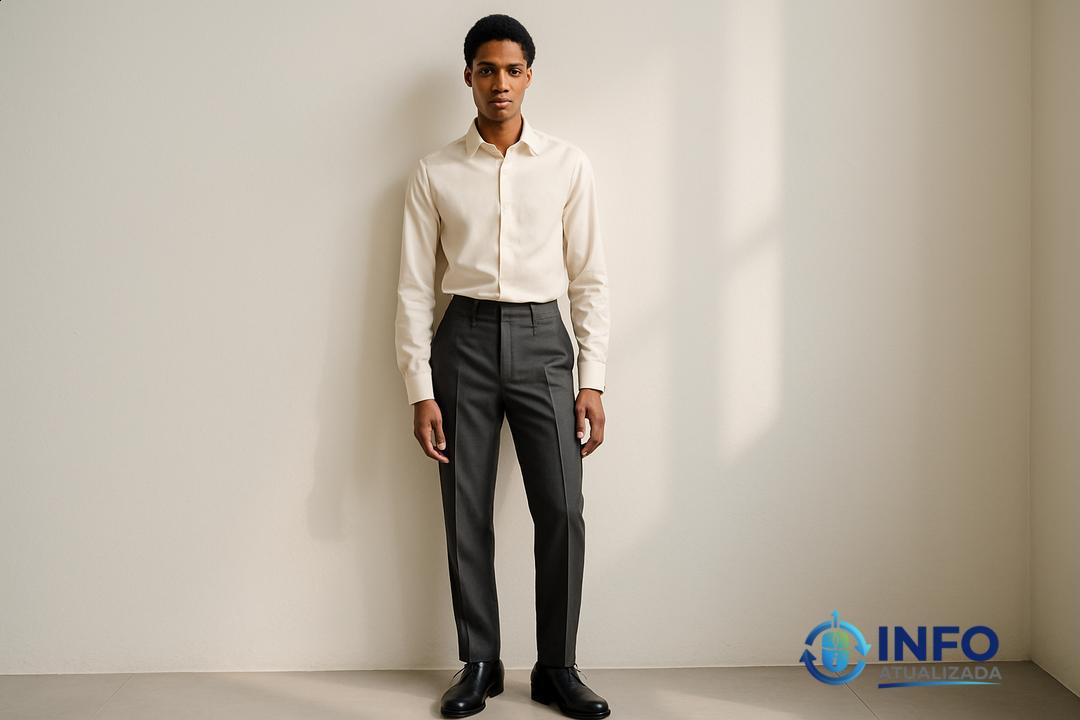
Ever slipped into a pair of pants that look sharp on the hanger but sag or pinch once you move? That’s the daily reality for so many of us, chasing a pant that actually works for our bodies, not just a mannequin’s.
For a growing number of style-conscious people, tailored trousers are emerging as the answer. These pants aren’t just a trend, they’re a thoughtful balance of comfort, confidence, and aesthetic polish, carefully cut to fit real bodies.
Fashion editors, stylists, and even tailoring experts agree: custom-cut, well-chosen trousers can quietly upgrade any wardrobe.
So why do so many style guides gloss over the tough parts, like how to choose a rise, when to skip pleats, or whether off-the-rack options can rival bespoke? Too often, tips are vague or only cater to a narrow silhouette.
This article breaks the cycle. Here, you’ll get a clear, straight-talking guide to finding, fitting, and styling tailored trousers with modern life and every body in mind. Expect practical breakdowns, new trends, and honest, actionable advice you won’t find elsewhere.
What makes tailored trousers unique: fit, style, and versatility
Tailored trousers stand out for their precision fit and flexibility in style. If you’ve ever struggled to find pants that really work for your life and body, tailored options are where classic style meets everyday comfort. Let’s break down how they compare to other fits, why construction details matter, and which fabrics are leading the trend today.
Differences between tailored, slim, and regular fits
The main difference is that tailored trousers contour your body without being tight or baggy. Regular fits tend to be looser all around. Slim fits hug the leg more closely, but may restrict movement or dig in at the waist for some people.
True tailored trousers are made (or altered) to follow your natural shape, especially at the waist, seat, and thighs. A 2020s trend is to mix modern stretch fabrics with classic tailoring, giving comfort and sharp lines. For most people, the right tailored fit means you rarely need a belt, your pants stay up and move with you.
If shopping off-the-rack, choose the cut that matches your widest point and plan to visit a local tailor for nipping in the rest.
Why construction details matter: pleats, waistband, and hem
Construction details like pleats, waistband, and hem shape how tailored trousers fit and feel. Pleats add room for movement at the hips and work best for certain body types, single pleat for leaner builds, double pleat for athletic frames.
The waistband on tailored trousers typically sits right at your natural waist, not your hips. This helps you avoid gapping and pinching. A clean hem break, where the pant leg just brushes the top of your shoe, keeps the look intentional, not sloppy.
Ask your tailor to adjust seat and rise so you get a sharp line, not bunching or sag. If you have trouble with fit, these are the fixes to prioritize.
Popular fabrics and new trends in tailoring
Wool blends, cotton twill, and stretch fabrics define today’s most practical and stylish tailored trousers. Wool-silk mixes have made a comeback for a bit of sheen and breathability. Since 2020, many brands add a touch of elastane to classic wool or cotton to offer better stretch. This is especially helpful if you want the look of dress pants but need comfort for daily wear.
Wide leg and high-waist silhouettes are trending, but the real growth is in “hybrid” tailored trousers, think sharp creases with more relaxed waistbands or slightly adjustable hems. A simple tip: feel the fabric before you buy. If it drapes cleanly and springs back when pinched, you’ve probably found a winner.
Achieving the perfect fit: key measurements and adjustments that matter
The best tailored trousers feel like they were made just for you. Getting there means paying attention to inseam, waist, and the subtle details that many brands overlook. Let’s look at what really matters for a fit that’s sharp, not just “good enough.”
How to check inseam length and waist fit
Accurate inseam and waist fit are the foundation for comfort and style.
Your inseam is the distance from crotch to hem. Use a pair of pants you love: measure from the crotch seam to the hem along the inside leg. For most, 30 inches is standard, but try them on, standing and sitting, to see how they land on you.
To check the waist, wrap a tape at your natural waistline. It should feel snug, but you should be able to slip two fingers inside easily. Too tight? Sizing up or a minor alteration makes all the difference.
Understanding rise and breaks: comfort versus style
Rise and break shape the look and feel of your trousers more than anything else.
Rise is the length from crotch seam to waistband. A higher rise works for comfort and movement, while a lower rise creates a sleek look but can risk gaping or pinching.
The hem break is where the pants touch your shoes. Modern style leans toward a slight or “no break,” meaning the hem barely brushes the shoe. Experts often suggest a quarter-inch break for a sharp, versatile finish. Tip: try your trousers with the shoes you’ll actually wear.
Common tailoring mistakes, and how to fix them
The most common tailoring mistakes are too-short hems, overly tight waists, and ignoring your body shape.
Many return clothes because brands use a single fit model, not all bodies. If pants crease at the crotch or bag at the seat, ask your tailor to adjust. Overly tight waists can cause “muffin top”, a simple let-out can solve it. Experts recommend always sitting in trousers before buying, to check for ride-up or discomfort.
Remember: A minor tweak can transform “almost right” into “just right.” Never settle for less than a smart, confidence-boosting fit.
Tailored trousers for every body: inclusive style tips and smart shopping
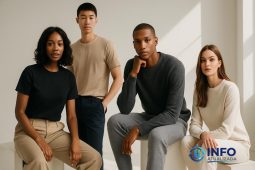
Tailored trousers are truly for every body type if you use a few smart style and shopping strategies. The key is to match pleat, fabric, and fit details to your shape, and know where to look, even on a budget.
Choosing pleat style and leg width for your shape
Wide-leg trousers flatter more body types than almost any cut.
If you’re apple, pear, or have a straight figure, try wide legs for a longer, leaner look. Straight-leg pants with front pleats help elongate legs and suit shorter or fuller waists. For curves, a bootcut style adds balance. Even style icons like Angelina Jolie favor wide-legs to create extra length.
Quick tip: If you’re not sure, start with a straight-leg style with slight pleats, they work for most shapes and can be easily tailored.
Fabric drape: lightweight vs heavier materials
Fabric drape matters, choose heavier wool for structure or lightweight fabrics for movement.
Heavier wool pants create sharper lines on straight or tall frames, holding shape through the day. Lightweight materials, like summer blend wools or synthetics, drape gently without adding bulk, great for fuller or softer silhouettes.
The fashion industry’s new inclusivity push means more brands experiment with 3D scanning to customize fabric drape. If you often feel overwhelmed by fabric or want something crisp, look for pants with lining or blended materials.
Affordable options: off-the-rack, alterations, and made-to-measure
Off-the-rack adaptable pieces now work for about 68% of people who don’t fit standard sizing.
Brands like Zara and COS offer wool trousers in inclusive fits for around $100–$125. If the fit is close, a quick alteration (like hemming or taking in the waist) can turn a basic pair into a favorite. Made-to-measure options, including some 3D scanning and AI services, are on the rise, even for affordable workwear.
Pro tip: Always have your best-fitting pair as a reference when shopping or tailoring. Small tweaks often make the biggest difference in comfort and confidence.
Styling tailored trousers: from office to evening and everything between
Tailored trousers are one of the most flexible pieces in your closet, ready for both the workday and after-hours looks. The trick is to mix and match tops, shoes, and accessories for instant polish and effortless style.
Pairing with tops and outerwear: balance and contrast
Contrast is key, pair tailored trousers with tops that balance their shape.
If your pants are slim, try a relaxed tee, soft blouse, or an oversized blazer. Wide-leg? Choose fitted tops or cropped knits for clean lines. For work, tuck in a crisp shirt with a structured jacket. “Balance them out with a looser style up top,” say stylists. Evening plans? Swap to a silk tank, statement shirt, or layer with a shorter leather jacket for edge.
Shoes that work best with tailored cuts
Streamlined shoe choices elevate every tailored cut.
Loafers, pointed flats, or low heels look smart with straight or ankle trousers. Wide-leg pairs shine with block-heeled sandals or retro sneakers. Want edge? Try pointed boots with puddle hems or glossy loafers for easy office style. Match shoe shape to hem, let just a hint peek out for a modern touch. Looking to dress things down? Fashion editors are pairing classic Converse or minimalist sneakers with their favorite tailored pants.
Accessorizing for modern flair
Modern accessories matter, small changes completely update your look.
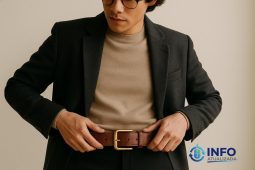
Minimal gold hoops, a belt that matches your shoes, or a bold watch add polish without effort. For daywear, keep it simple: a clean tote and small jewelry do the trick. Ready for cocktails? Statement necklaces or geometric earrings work with velvet or silk blends. An expert tip: “Add a belt that matches your shoes and keep jewelry simple.”
Pro move: unbutton your shirt, add a clutch, or drape a soft sweater across your shoulders for instant transition from desk to dinner.
Why great tailored trousers are worth the investment, for confidence and everyday style
Investing in great tailored trousers pays off by boosting both confidence and daily style versatility.
Experts and stylists agree: when pants truly fit, you stand taller, feel more comfortable, and exude poise in every situation. While the initial cost may be higher, tailored trousers outlast fast-fashion options by holding their shape and color longer, which means less frequent replacement. Research suggests people who wear clothes that flatter their body type report improved self-perception and project confidence in work and social settings.
Celebrities and fashion consultants often keep at least one pair of custom or expertly altered trousers for go-to moments, important meetings, interviews, or special events, because a precise fit sends a signal of care and self-respect. Brands are now investing in 3D technology and inclusive sizing, helping more people access this level of polish.
Practical tip: track how often you reach for your best-fitting pair versus cheaper ones, they tend to win, every time. The right trousers quickly earn their keep, working through seasons and trends, so you always have a reliable style foundation to build on.
FAQ – Frequently asked questions about tailored trousers
What are tailored trousers?
Tailored trousers are pants made with precise cuts, pleats, and seams to flatter your body shape and provide a structured, polished look.
How should tailored trousers fit?
They should sit snugly at your waist—not tight or sagging—with a clean drape through the seat and thighs. The legs should taper smoothly, with the hem resting just above your shoes for a soft break.
What are the main differences between off-the-rack and custom tailored trousers?
Off-the-rack trousers fit average body types but may need alterations. Custom tailored trousers are made for your unique proportions, offering better comfort, drape, and accuracy.
How can I style tailored trousers for different occasions?
Pair slim or tapered trousers with fitted tops and blazers for work. For evenings or weekends, swap in relaxed shirts or statement jackets, and finish with matching shoes and subtle accessories.