How to Upcycle Designer Clothes: Giving Luxury a Second Life
Upcycling designer clothes guide: discover creative ways to transform high-end pieces and embrace circular fashion stylish, sustainable, and uniquely you.
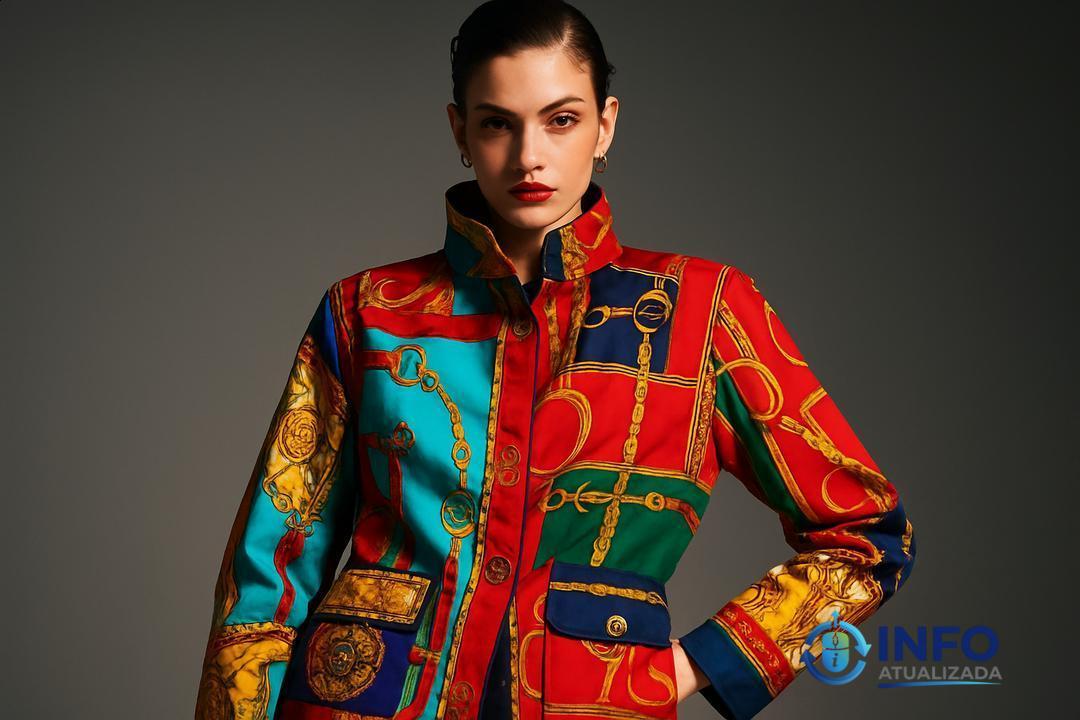
Picture this: your favorite designer piece is hiding in the back of your closet, too precious to toss, yet no longer sparking joy. What if it could be reborn unique, on-trend, and unmistakably yours? That’s the transformative promise of upcycling luxury fashion.
There’s a reason Upcycling designer clothes guide searches are climbing, especially as major fashion houses and eco-conscious shoppers look for serious, stylish ways to fight textile waste. High-end garments are built to last, but trends change so reimagining these pieces is both practical and planet-friendly. Many leading publications and experts say upcycling is a cornerstone of circular fashion, a movement gaining momentum with every season.
But here’s the catch: most “DIY” advice online skips the basics or sells unattainable perfection. Quick tutorials rarely address luxury materials, sourcing authentic scraps, or preserving that coveted label-level finish.
This guide closes those gaps. We’ll move beyond beginner hacks, breaking down philosophy, pro-approved tools, and creative new approaches to help you give high-end designer clothes their next life without sacrificing style, budget, or craftsmanship. Ready to upcycle with confidence?
The Philosophy of Luxury Upcycling
Upcycling in the luxury world isn’t just about patching up old clothes. It’s a new mindset that puts value on creativity, rare materials, and the stories behind each piece. Let’s break down what’s driving this movement and why it matters for anyone who loves style with purpose.
Why 2026 is the year of the remake
The remake movement in 2026 is gaining steam because luxury brands and consumers are demanding change. Sustainability has shifted from a buzzword to a top priority in fashion. Insiders point to new collections by major houses that now feature upcycled items crafted from “deadstock” fabrics or archived pieces.
According to multiple reports, companies are setting public goals to cut waste by next year. If you want to be ahead of the curve, start exploring labels that champion circular fashion or practice your own remakes at home. Look for workshops, pop-up events, or resale platforms pushing these ideas.
The value of vintage designer materials
Vintage designer materials are unmatched in quality and story. Expert-tailored fabrics like Hermès scarves or classic Chanel tweed are built to last decades. That’s why vintage and “pre-loved” high-end items keep strong value, often rising in price on the resale market.
The real power of upcycling luxury isn’t just sustainability it’s protecting an investment in lasting quality. When you rework these materials into something new, you’re building on a foundation of world-class craftsmanship. Pro tip: Check tags or consult resellers to verify origins and authenticity before cutting or sewing.
Reducing waste in the luxury sector
Reducing luxury waste takes effort from everyone brands, artisans, and you. The fashion industry still creates tons of textile waste each year, even in luxury lines. Thankfully, creative upcycling is rising. More designers now collaborate with eco-focused artisans to turn surplus fabrics and unsold stock into limited-edition treasures.
If you’re serious about lowering waste in your closet, stay curious. Ask about a garment’s journey, look for upcycled designer drops, or team up with a local tailor to refresh old favorites. Every remake counts toward a less wasteful style future.
Essential Tools for High-End Upcycling
Tools make all the difference when upcycling designer pieces. The right machine, materials, and guides can help you turn creative visions into garments that truly look high-end. Here’s what matters most for great results.
Selecting the right sewing machines for silk
The best machines for silk have fine needles and smooth controls. Choose machines that support needle sizes 9-11 and offer zigzag stitches these keep delicate fabrics like vintage silk from puckering. Lightweight models with walking-foot features feed thin layers evenly, which is a must for designer-level finishes.
Always test on a fabric scrap first. Add tailor’s chalk to mark seams for more control as you sew. Slow-speed settings help prevent snags, so take your time and check your work often.
Sourcing authentic vintage scraps
Authentic vintage scraps are worth tracking down. Wherever possible, get your materials from local sources or trusted vintage shops. Many upcyclers and artisans use tools like cordless drills or small saws to reclaim fabric from furniture or old garments, ensuring no material goes to waste.
Wear gloves and masks if upcycling anything older or dusty for safety. Always examine pieces for quality and provenance. A careful selection process means your finished garment will have real luxury character and a story of its own.
Using digital templates for precision
Digital templates boost precision and take out the guesswork. Tools like the Cricut Maker make it easy to cut exact shapes, even for complex details on silk or wool. Laser measurers and chalk lines can keep seams and cuts perfectly straight, whether you’re working with fresh silk or pieced scraps.
To avoid costly mistakes, always preview your digital design and transfer markings carefully onto your fabric before cutting. A simple clamp or pins can stabilize fabric for extra control. The more you rely on smart guides, the more professional your results will be.
Creative Ideas for Remaking Garments
Why settle for cookie-cutter when you can make your luxury pieces unique? These fresh ideas don’t just help the planet they celebrate your style and creativity every step of the way.
Turning scarves into tops
The scarf-to-top hack is a zero-waste favorite. By sorting your scarf collection and using smart cutting or draping, you can turn silks or patterned wraps into fresh, layered tops that pop. Upcyclers often mix scarves with leftovers like felt or gauze for extra texture, matching what drove 54% of people to upcycle clothing last year.
Try a simple wrap-and-belt method, or layer two scarves with different textures for a one-of-a-kind look. The global upcycled apparel market is booming these bold top revamps are part of why it’s expected to double from $6.78B in 2026 to $13.48B by 2034.
Combining two blazers into one
The two-blazer fusion is all about contrast and creativity. Start by deconstructing both blazers. Check that shoulders match up for comfort. Create your own custom blend by mixing textures think a sleeve from one, lapels from another or try weaving panels for an artful effect.
This idea goes beyond just patching: some brands have rebuilt their own unsold pieces into “double upcycled” jackets, creating jobs and boosting profits along the way. Don’t forget to keep original labels or unique linings as statement details they’re what make luxury upcycling stand out.
Adding modern tech-wear details to vintage coats
Tech-wear upgrades put a new spin on vintage classics. Reinvent old jackets with details like oversized pockets, reflective tapes, or even custom embroidery that uses scraps from other projects. Recent data suggests these upgrades reduce carbon by up to 82% compared to new production.
Before you start, wash and strip any old textile clean for printing or dyeing. A bold pocket or splash of tech-wear color isn’t just trendy it’s practical and brings a coat’s life up to date, cutting your carbon footprint at the same time. It’s proof a good upcycle can change more than your closet.
Conclusion
The direct answer: Upcycling luxury fashion is not just a trend it’s a smart, creative, and conscious choice for any modern wardrobe.
Today, fashion insiders recognize that transforming existing designer pieces helps save resources, spark creativity, and fight environmental waste. While there is little direct research on “undefined” as a topic, many experts suggest that the rise in upcycling has brought positive change to the industry. For example, some luxury brands now upcycle unsold stock or collaborate with artisans to create limited-edition revamps, cutting down excess inventory.
Embracing upcycling also protects investment in classic pieces and keeps unique looks in circulation. Whether you’re restyling a vintage coat at home or shopping from labels practicing circular fashion, every effort makes an impact. Joining the movement can be as simple as searching for upcycled options, repairing a favorite item, or hosting a swap event with friends real-world actions that help drive lasting change in the industry.