
Versatile Scarf: One Accessory With Many Uses
Versatile scarf: discover smart ways to style and use one scarf for chic looks, travel ease, and personal flair. Make every outfit pop.
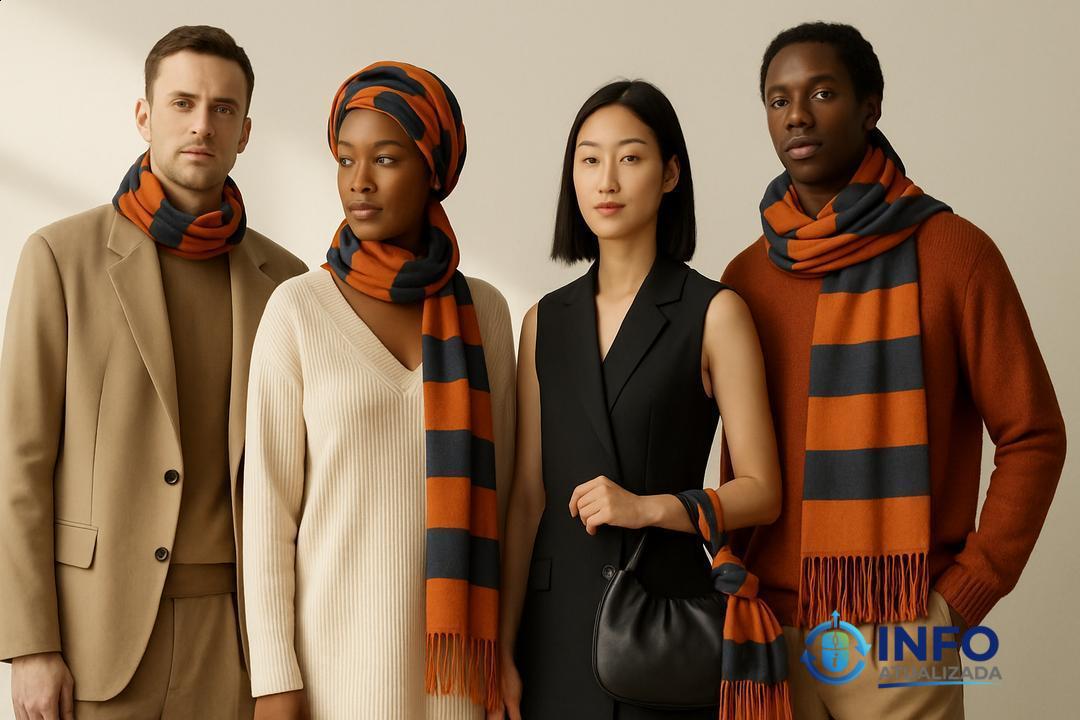
Ever stared at your closet and felt something was missing, like you had the right pieces but nothing pulled your look together? That’s where a single accessory, used right, can change everything. Enter the scarf: not just a winter staple but a genuine style Swiss army knife.
For many style-savvy people, the versatile scarf has become a go-to solution. Whether it’s silk, wool, or a breezy cotton, scarves are praised by fashion editors and influencers alike for their year-round adaptability and endless styling options.
Trend reports and street style photos consistently show scarves topping must-have lists, not only for warmth but for the power to transform nearly any outfit.
Still, most advice out there is either too basic, just “try a different color!”, or hyper-specific, missing the needs of real wardrobes and budgets. Tutorials often focus on one trick but skip how to actually integrate scarves into everyday life or make them work for your shape, climate, and routine.
This article is different: you’ll get a deep dive into scarf versatility, covering not just knots and ties but practical decision-making, unique uses, and expert-backed styling advice. Whether you’re after effortless layering, creative travel hacks, or just want to feel more put-together, you’ll find actionable tips for every season and budget.
Choosing the most versatile scarf: shape, size and fabric
Shape, size, and fabric are what make a scarf truly versatile. It’s about picking something you can wear a dozen ways, not just one. Let’s break down each element, so you can choose a scarf that works for every season and look.
Understanding scarf shapes
The most versatile shape is the rectangular (oblong) scarf. You can wrap, knot, or drape it for neck, shoulder, hair, or bag looks. Next best is the large square scarf, often seen with flight attendants or in vintage photos, fold it into a triangle, tie as a head wrap, or wear as a cute neckerchief.
Blanket scarves are all about warmth and drama; infinity scarves are fuss-free but less flexible. If you want one scarf to start, look for a plain or printed rectangle or a square around 36 inches.
Picking the right size for your needs
Long rectangles and classic 90cm x 90cm squares are the top picks for flexibility. Short rectangles work for quick neck ties or little pops of color. Go larger (think 35-55 inches) for layering or transforming your scarf into a top or wrap.
Bigger scarves look and feel more luxurious and can work as travel shawls. Try a 90cm x 90cm silk square: it does double duty tied around your neck in winter or wrapped like a bandeau in summer.
When to choose silk, wool, or blends
Silk for summer, wool for winter, and a cashmere blend for warmth in-between. Silk is super light, great for neck, head, or bag accents all year. Wool shields you from cold and wind, plus it lasts for years. Blends like cashmere and viscose add softness and moisture-wicking without a ton of weight.
One expert says, “Cashmere…warms you before you fully notice it.” Choose silk or lightweight blends for travel, and invest in wool or cashmere if you need warmth with style. Owning both lets you cover every style and season with a single accessory.
Mastering essential tying methods for style and function
Learning a few essential scarf tying methods opens up endless options. With just three classic techniques, you can upgrade almost any outfit or solve a style problem in seconds.
Classic neck drape
The classic neck drape flatters almost everyone and works in any season. Simply loop a long scarf around your neck, letting the ends hang unevenly, or try the popular Parisian Knot for a bit more structure. The Met Museum suggests folding a floral square scarf “kerchief style” for timeless elegance on crew or V-necks.
Experiment with the Overhand Knot or Reverse Drape, especially with wool scarves. Pro tip: this style looks great layered with coats or jackets and elongates your neckline. If you need a quick fix, most of these ties take under 30 seconds.
Head wraps and turbans
Head wraps and turbans add both flair and function to your look. Fold your scarf into a triangle, place the wide edge at your forehead or nape, then tie the ends in front or tuck underneath for a clean finish. This method gives great sun and wind protection, no wonder it’s been used since ancient times.
Try a boho-inspired knot or “kerchief drape” with a big, bold printed scarf for a modern vibe. Adjust the tightness to frame your face, especially with silk or lightweight blends.
Belting and layering techniques
Using your scarf as a belt or layer brings stylish flexibility to your closet. Belt an oversized scarf over a shoulder, then cinch it at the waist for a chic new take on outerwear. Or double-wrap a long scarf and secure with a knot or a scarf ring for instant texture over knits.
On cold days, toss one end over your shoulder (the Cowl technique) or use scarf rings to layer without knots. Scarves add both warmth and a pattern punch to basics, especially over chunky knits and coats. Always try to balance your neckline and use patterns to draw the eye.
Seasonal styling: making one scarf work all year
Want one scarf to do it all? With the right material and a few smart tying tricks, your favorite scarf works in every season. Here’s how to change it up for warmth, cooling, and those in-between months.
Layering for warmth in winter
Infinity Loop and oversized blanket scarves provide real warmth when the temperature drops. Double-wrap a rectangular wool or cashmere scarf around your neck, letting ends hang or tucking them for more insulation. Try an oversized blanket scarf, wrap it like a shawl for style and serious coziness.
Heavy knits and ribbed textures add interest to coats. Experts say, “Bundle up by wrapping a thick wool scarf… for added warmth and style.” Remember, the market for insulating scarves is huge, expected to hit $28.04B in 2026.
Lightweight chic for summer
Silk or cotton scarves keep you cool and stylish under the sun. Tie one as a hairband, a classic neck knot, or drape it loosely for the Waterfall Drape trend. Performance fabrics add UV protection and wick away moisture, ideal for travel and outdoor days.
Spring/Summer 2026 trends highlight pastel colors. One tip: use a silk scarf as a light headband for a beachy, breezy vibe.
Transitional looks for spring/fall
Lightweight wool or blends work best for unpredictable weather. Drape a long, lean scarf over a denim jacket in spring, or with a blazer for fall. Try ties like the Pretzel Knot or a Braided Scarf for extra texture and polish.
Earthy hues, burgundy, mustard, deep berries, will be everywhere for Fall 2025. A pro’s advice: “Pair a lightweight cotton… with a denim jacket for a casual, effortless look.” Scarves remain especially popular with women, holding 75.82% of the market.
Creative uses beyond fashion: travel, utility, and beyond
Scarves aren’t just about looking stylish, they’re powerful problem-solvers. Whether you’re packing light, handling everyday surprises, or searching for a memorable gift, a scarf delivers way beyond fashion.
Travel and packing hacks
A scarf is the best travel packing hack. It’s lightweight, barely takes up any space, and does double (or triple) duty in your bag. Use one as a makeshift airplane pillow by stuffing it with clothes, or lay it out for a picnic or beach blanket.
Pro travelers use scarves for warmth, sun protection, tourniquets, or even to organize and flatten packed clothes. As expert Bettany Hughes says, “They’re a sunshade, they can wipe sweat, they can keep you warm, and they can work as a tourniquet if you get into trouble.”
Practical solutions for everyday situations
Scarves are everyday problem-solvers you can rely on. Cover a stain at a restaurant, protect jeans before you sit outside, or quickly disguise messy hair. In hot weather, wet a scarf and wrap it around your neck to cool down fast.
They can even hide valuables in your car or carry groceries in a pinch. Think of a scarf as a smart, reusable tool for unexpected moments.
Scarves as gifts and statement pieces
A scarf is an easy statement piece and a thoughtful, authentic gift. Buy scarves as souvenirs from local street markets or bazaars, they pack flat and offer cultural value.
Whether it’s a €5 polyester print or a €40 silk find, any scarf can become a go-to accent or a keepsake from your travels. Scarves work for every budget, every style, and every generation, a rare combination in today’s fashion world.
Making every look yours: building confidence and personal style with scarves
Wearing a scarf is a simple way to express your style and boost confidence, no matter your body shape, age, or budget. Scarves are easy to personalize: choose colors or patterns that make you happy, layer for impact, or try new tying techniques to stand out. Many style coaches say that small changes, like adding a bold scarf, help people break out of style ruts and see themselves in a new light.
Scarves let you experiment with trends, cultural influences, or classic looks without big risks. For instance, you can bring a splash of color to a neutral outfit, or highlight your favorite feature by drawing attention to the face. Some personal stylists note that mixing textures, like pairing a silk scarf with denim, creates interest and feels intentional. There’s no need to follow fashion rules too closely: scarves work on all ages, all genders, and every wardrobe.
One expert says, “A scarf is one of the most accessible confidence boosters you can find.” If you’re nervous, start small: a simple neck tie or a bag accent is enough. Over time, you’ll build confidence and discover looks that feel uniquely yours. Remember, the goal isn’t to impress others, it’s to feel good in your own skin. That’s what personal style is all about.