

The Art of High-Low Styling: How to Mix Luxury with High-Street
High-low fashion styling tips: Master the smart mix of luxury and affordable pieces for standout style and practical, chic wardrobes.
Ever stared at your closet, wishing you could blend that one luxury item with your everyday favorites without looking overdone or mismatched? Mixing expensive and affordable pieces isn’t just a trend it’s what makes personal style stand out in a sea of sameness. High-low dressing is where your best finds meet your smart investments, unlocking a new kind of fashion freedom.
It’s not just for fashion editors or influencers. A growing number of style experts say that high-low fashion styling tips open up totally new ways to wear clothes you love. Success means more options, smarter shopping, and a wardrobe that actually works for your real life. No wonder so many are trading fast fashion for outfits that feel truly their own.
The usual advice? Basic do’s and don’ts, or flat lists about “what to pair.” But here’s the thing: they don’t answer how to spot which pieces are worth the splurge, or how to avoid looking like you cobbled a look together from two different worlds. Most guides also skip the mindset part why attitude and confidence matter as much as the clothes themselves.
This article flips the script. You’ll get the real, practical playbook: how to balance designer with high-street, what to save (and splurge) on, and how to make high-low dressing work even on a budget or a non-model body. Ready for the mix that’ll make your style truly yours?
The Philosophy of High-Low Dressing
Let’s break down what really drives the high-low dressing mix. It’s not about owning the most expensive outfit it’s about making what you have work harder and look smarter.
Why the mix creates more interest
High-low dressing stands out because it adds balanced, unfussy elegance to your look. You can mix a sharp blazer with faded jeans or throw a Barbour wax jacket over business wear. This combo works in almost any setting from office to coffee with friends. Mixing pieces opens up your closet for more creative, practical outfit choices. Try matching a fancy silk shirt with vintage denim next time for a fresh twist.
Attitude over labels: what actually defines high-low style?
True high-low style is about attitude over labels. It’s not what you buy, but how you wear it. Own a designer bag? Pair it with basics from H&M or Uniqlo. Think Valentino jacket with Levi’s what once seemed odd is now totally stylish. The real flex: showing personality, not price tags. If you want to start, add a statement scarf or belt to your everyday look the confidence will follow.
The sustainable and personal angle: wardrobe staples that last
High-low is sustainable because it prioritizes wardrobe staples that last. The idea lines up with the post-2023 shift toward mindful shopping and eco-friendliness. People are buying one great blazer or pair of boots, then filling in with affordable basics. The goal: less waste, more outfits that feel true to you. Do a quick closet audit keep the classics, donate what you never reach for, and shop slowly for quality. This way, your style reflects both who you are and what you stand for.
Key elements of a perfect high-low outfit
The real key to high-low style? Combine lasting pieces, textures, and the right amount of statement never all at once. It’s about outfits that feel both polished and easy.
Investing in ‘forever’ pieces
‘Forever’ pieces anchor any high-low outfit. Think classic blazers, crisp white tees, cashmere sweaters, or well-made boots. Guides show that staples like these help you reuse over 80% of your closet through the seasons. Example: Pair a high-end Balmain blazer with high-street jeans, or wear a premium wool coat over a $10 tee. Choose items that look and feel premium solid stitching, real leather, natural fibers.
How to mix textures and fabrics
Mixing different textures adds interest and disguises price gaps. Try wearing a chunky knit with soft denim, or a silk shirt with rugged twill trousers. Fashion pros recommend at least two textures per outfit think tweed jacket over jeans, or leather boots with a simple cotton dress. The contrast keeps your style sharp and helps every piece shine, not just the expensive ones.
Balancing brand logos with basics
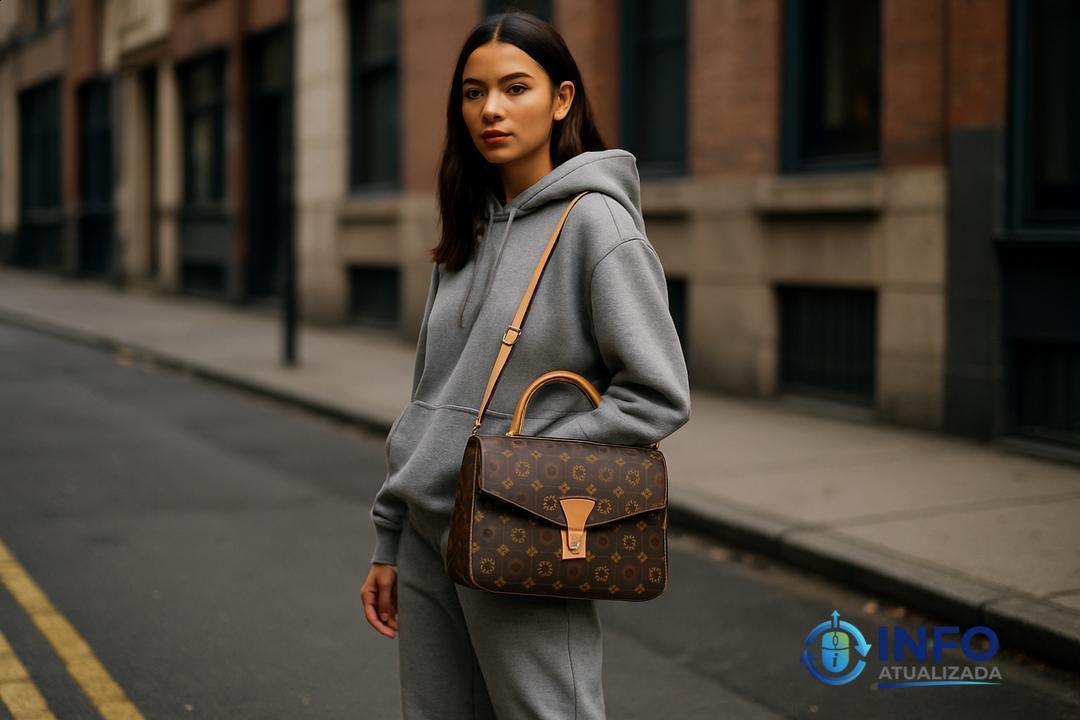
Subtle logo balance wins over showing off labels everywhere. Let one designer piece lead, like a statement bag or jacket. Build the rest of your look from understated basics plain tees, dark trousers, simple sneakers. This keeps your outfit looking fresh, not forced. A luxury logo bag with high-street staples or a pair of statement shoes with a classic slip dress works better than “all brands, all at once.” When in doubt, keep it simple and let your confident mix do the talking.
Where to Splurge and Where to Save
Knowing where to spend and where to save is what makes high-low style work on any budget. Less guesswork and more value for every shopping trip.
Pieces to always invest in
Invest in pieces that anchor your wardrobe and hold their value. Unique statement items think an iconic jacket or classic designer bag are worth the extra cost. Many shoppers are buying resale, with that market growing 2–3 times faster than traditional retail by 2027. Why? You get finds that feel exclusive and sometimes gain value over time. Even if you’re buying new, focus your splurge on things you’ll wear for years, like classic outerwear, jewelry, or tailored blazers.
Affordable swaps that never lower the overall look
Smart, affordable swaps let you get the high-low effect without looking cheap. About 70% of consumers are now spending less on fashion yet 80% hunt for quality and value via sales and multi-store deals. Swap out basics like tees, simple knits, or plain trousers for high-street versions found on sale. Pay attention to fabric and fit. Big brands are moving upmarket, but you can build great style by saving on essentials and mixing them with one or two statement pieces. It’s a smart budget move that never sacrifices polish.
Practical strategies for real-life high-low style
Want to actually wear high-low looks in daily life? The aim is getting maximum style and mileage for your money, every single day.
Smart shopping tactics for every budget
Use cost-per-wear (CPW) to guide buys and stretch your budget. It’s simple: A $600 blazer worn 300 times costs just $2 per use, while a $60 dress worn once is a whopping $60 per wear. Focus your spending on quality staples and supplement with affordable trendy pieces. Most people aren’t buying all luxury over 40% say high price tags are overrated, so build outfits where one “hero” piece shines and the rest can be budget finds.
Style mistakes to avoid
Avoid trend overload and copying influencer looks head-to-toe. Trends fade fast and fast fashion pieces rarely last. Data shows only about 6% of people actually dress based on social media; most rely on mood or practical needs like weather. Instead, watch your proportions and don’t wear too many statement labels at once. Mixing classics in with something new always looks more polished.
Tips for tailoring cheaper basics into standouts
Boost basics with a luxury accessory trick or simple tweaks. Take a white tee and jeans add a striking leather bag or vintage jewelry and suddenly your whole look pops. Even a $49 H&M jacket looks elevated beside a quality designer bag. Making sure your basics fit perfectly, or switching out buttons on a coat, instantly helps cheap pieces read pricier. In short: one special touch can make anything feel curated and yours.
The bottom line: How high-low dressing changes your closet and confidence
High-low dressing changes both your closet and your confidence by unlocking way more outfit options and helping you trust your style instincts. You shop better, wear more of what you own, and feel less pressure to always buy new. Experts point out high-low dressing boosts creativity: you’re not stuck in one look or price point you find smart pairings like a designer coat over thrift jeans, or a bold necklace with a simple tee.
Many style surveys show most people dress for mood and real life, not labels. That means your closet becomes truly yours, filled with pieces that work together and actually get worn. As you mix high with low, you realize the true value of each piece and feel free to break old style “rules.”
The result? Less stress, more daily options, and a different kind of confidence one built not on brands, but on knowing you can look great, your way, with any budget. Try it: audit your closet and plan an outfit that blends your favorite statement piece with the basics you already love. High-low is not just a look it’s a mindset that opens up new possibilities, every single day.